
Japão / Japan
Tóquio
Três dias numa cidade sem fim / Three days in a city with no end
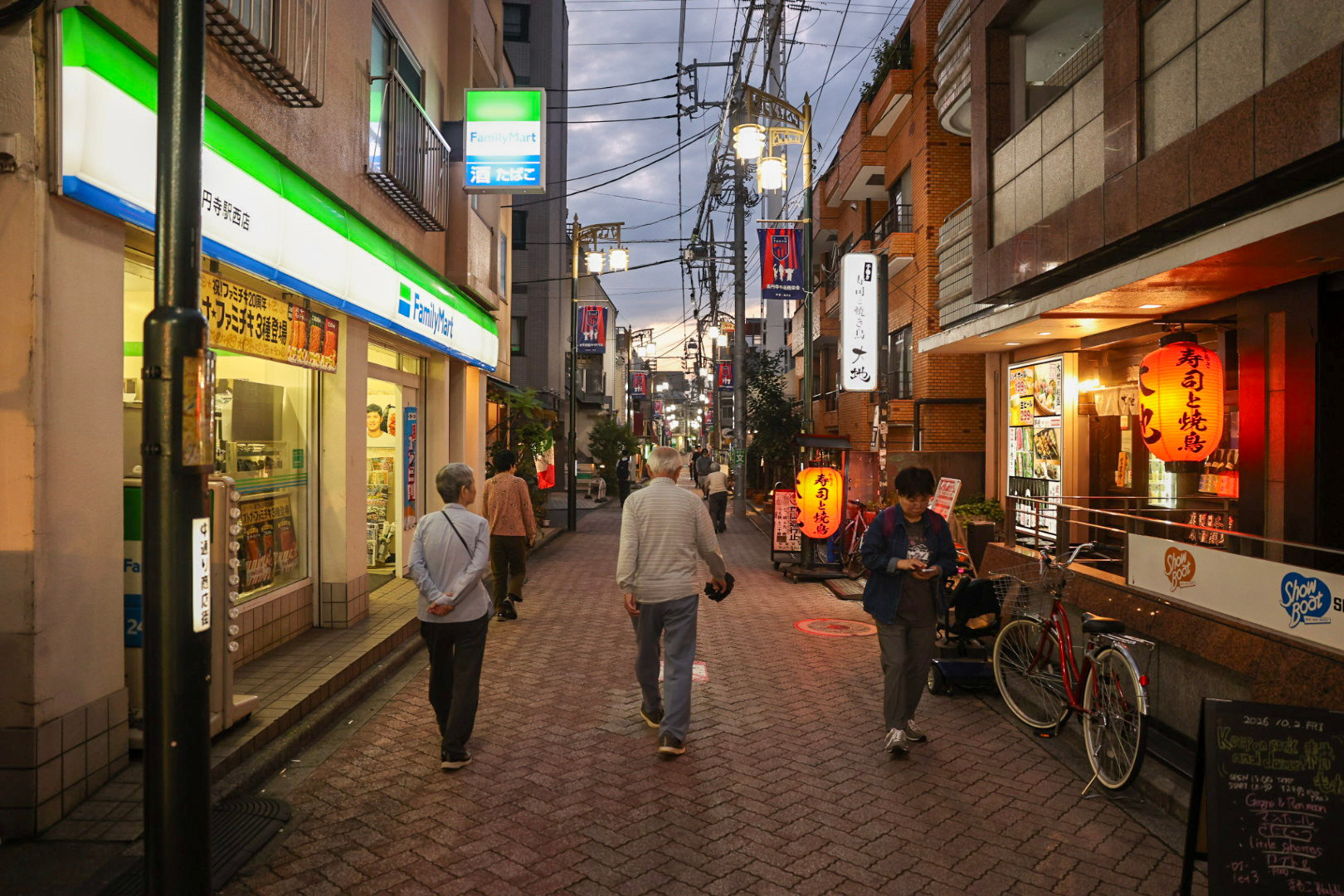
Não sou pessoa de grandes cidades. Dêem-me uma serra, uma estepe, uma aldeia onde toda a gente sabe quem chegou. Tóquio é o contrário disso tudo, e fui lá passar três dias, entre o fim de Setembro e o princípio de Outubro, com calor, humidade e chuva.
Saí de lá esmagado e fascinado, as duas coisas ao mesmo tempo, e ainda não sei bem qual pesa mais. É uma cidade tão grande que, de metro, parece que estamos sempre a meia hora do sítio seguinte. Estas fotografias vão pela ordem em que as fiz.
I am not a big-city person. Give me a mountain range, a steppe, a village where everyone knows who has just arrived. Tokyo is the opposite of all that, and I went to spend three days there, between the end of September and the beginning of October, in heat, humidity and rain.
I came away crushed and fascinated, both at once, and I still cannot tell which weighs more. It is a city so big that, by metro, you always seem to be half an hour from the next place. These photographs run in the order I made them.
I
Chuva em Shibuya / Rain in Shibuya
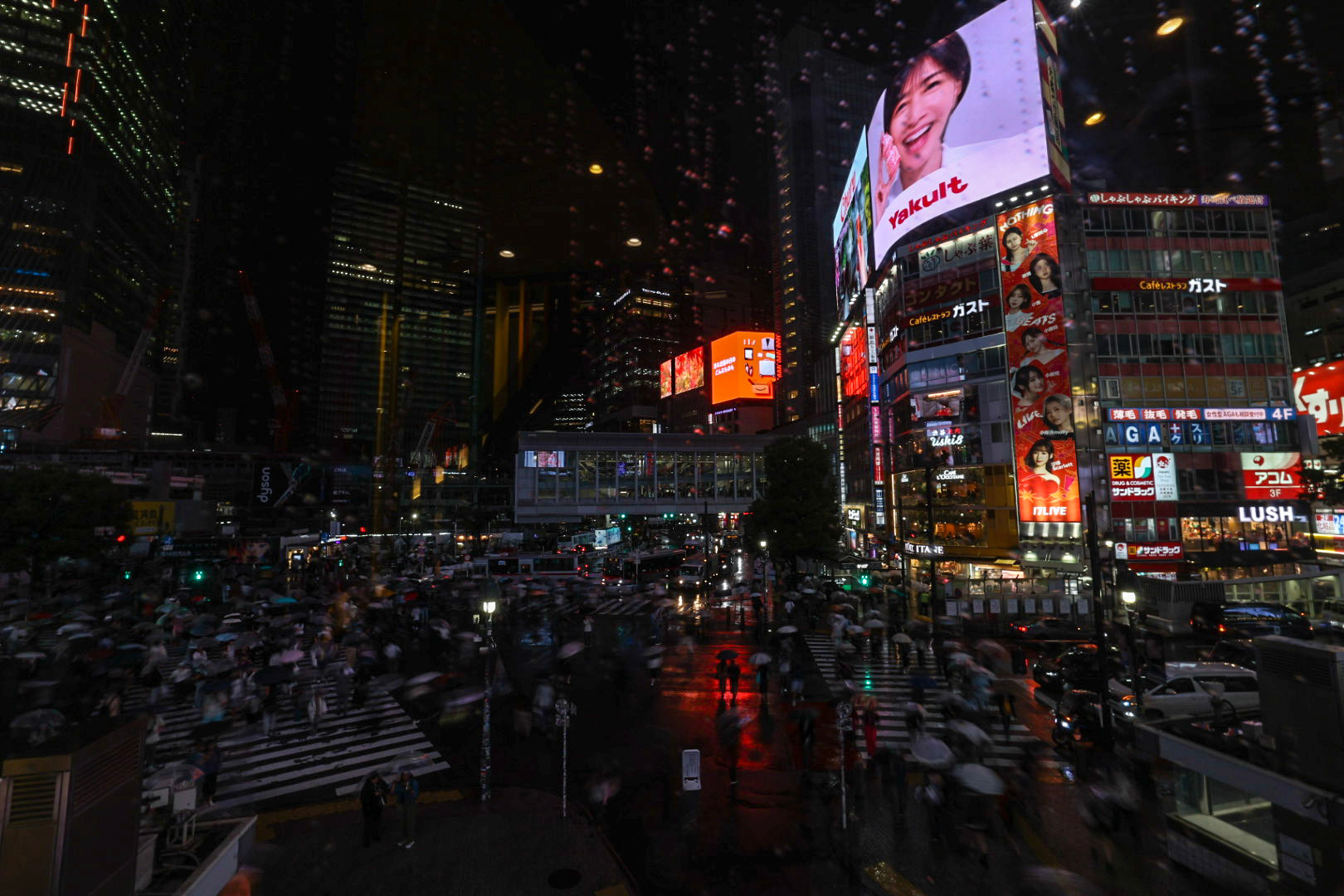
Já sentiste uma cidade passar-te por cima? Foi o que me aconteceu em Shibuya, logo na primeira noite, e ainda por cima a chover.
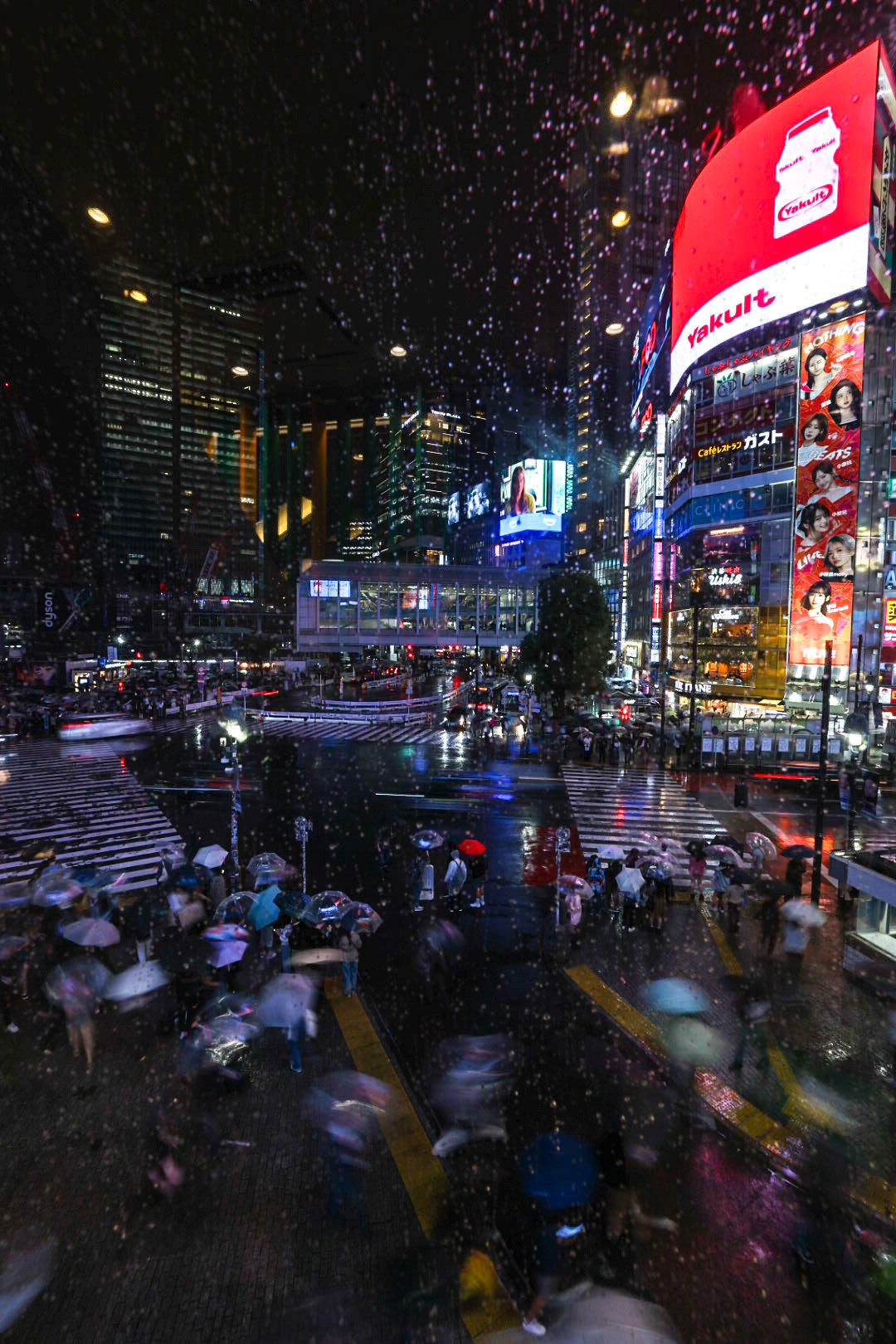
É aquele cruzamento que toda a gente já viu num filme. O sinal abre e atravessa tudo ao mesmo tempo, em todas as direcções. Dizem que chegam a ser três mil pessoas de cada vez, e ninguém choca com ninguém. Fiquei a ver aquilo de cima, atrás de um vidro cheio de gotas, a tentar perceber como.
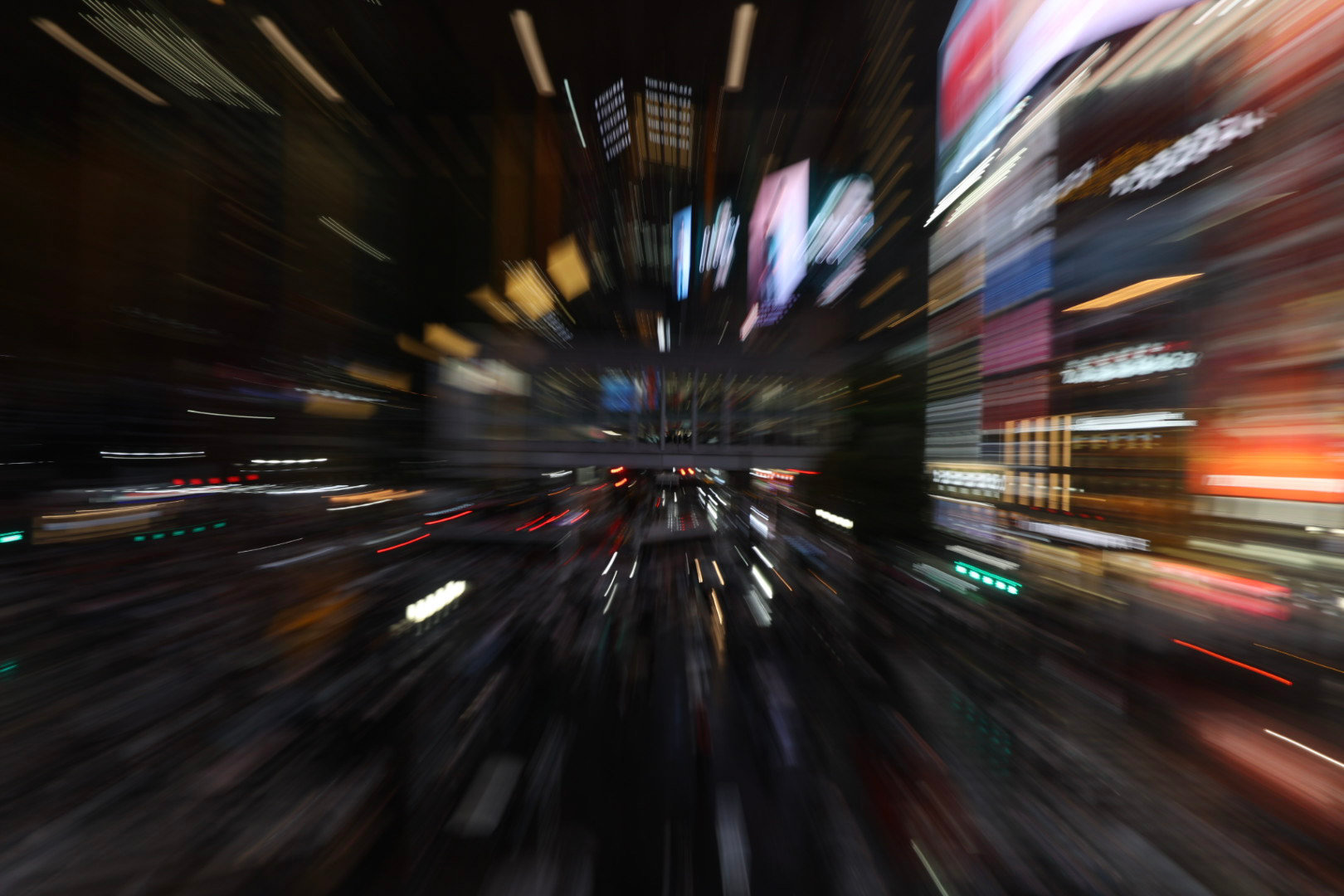
Abre o sinal, o chão desaparece debaixo dos guarda-chuvas. Fecha o sinal, fica o asfalto molhado a devolver as luzes dos ecrãs. Abre, fecha, abre, fecha. Podia ter ficado ali a noite toda.
Lá em baixo, ao lado da estação, está a estátua do Hachikō, o cão que esperou ali quase dez anos por um dono que já não voltava. É onde a malta de Tóquio marca encontro. Tem a sua graça: no sítio mais apressado da cidade, o ponto de encontro é um cão que soube esperar.
E depois há aquele casal, de guarda-chuva, a atravessar por cima do vermelho das luzes no chão molhado. Lembrei-me logo do «Lost in Translation». Duas pessoas pequeninas no meio de uma cidade enorme. Se calhar o romantismo de Tóquio é isso mesmo, só se nota porque tudo à volta é grande de mais.
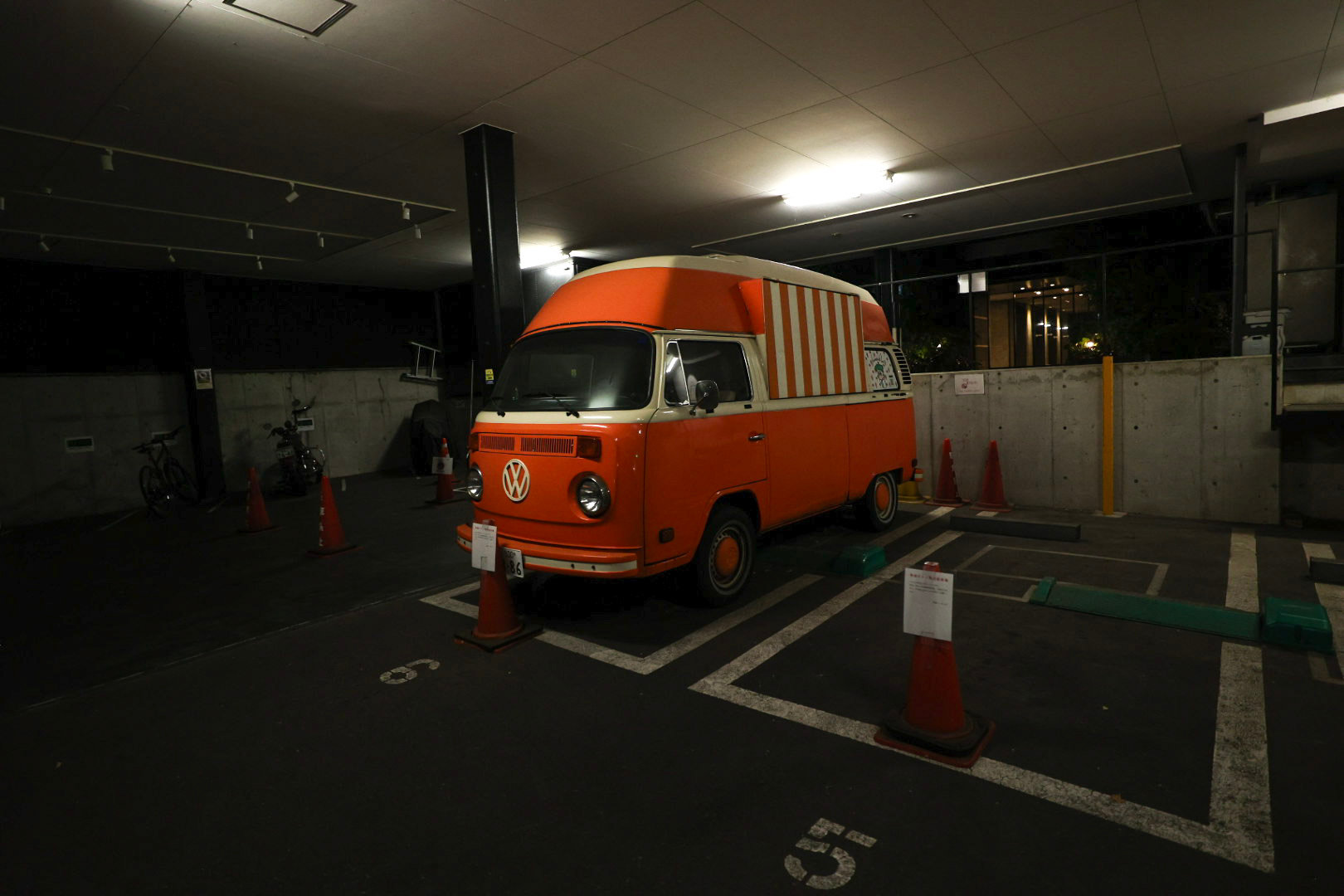
Mais tarde, a mais uma meia hora de metro, numa zona de universidades perto do rio, um parque de estacionamento quase vazio, creio que de um museu. E lá dentro uma carrinha cor de laranja. Parada, sozinha, sem pressa nenhuma. Confesso que me identifiquei mais com ela.
Have you ever felt a city run right over you? That is what happened to me in Shibuya, on the very first night, and in the rain on top of it.
It is that crossing everyone has seen in a film. The light changes and everything crosses at once, in every direction. They say it can be three thousand people at a time, and nobody bumps into anybody. I stood watching it from above, behind a window covered in drops, trying to work out how.
The light opens, the ground disappears under the umbrellas. The light closes, the wet asphalt is left giving back the lights of the screens. Open, closed, open, closed. I could have stayed there all night.
Down below, next to the station, stands the statue of Hachikō, the dog who waited there nearly ten years for an owner who was never coming back. It is where Tokyo people arrange to meet. There is something funny about it: in the most hurried spot in the city, the meeting point is a dog who knew how to wait.
And then there is that couple, under an umbrella, crossing over the red of the lights on the wet ground. I thought at once of “Lost in Translation”. Two tiny people in the middle of an enormous city. Maybe that is what Tokyo’s romance is: you only notice it because everything around it is too big.
Later, one more half hour by metro away, in a district of universities near the river, an almost empty car park, a museum’s I believe. And inside it an orange van. Parked, alone, in no hurry at all. I confess I identified more with the van.
II
Um torii entre escritórios / A torii among office blocks
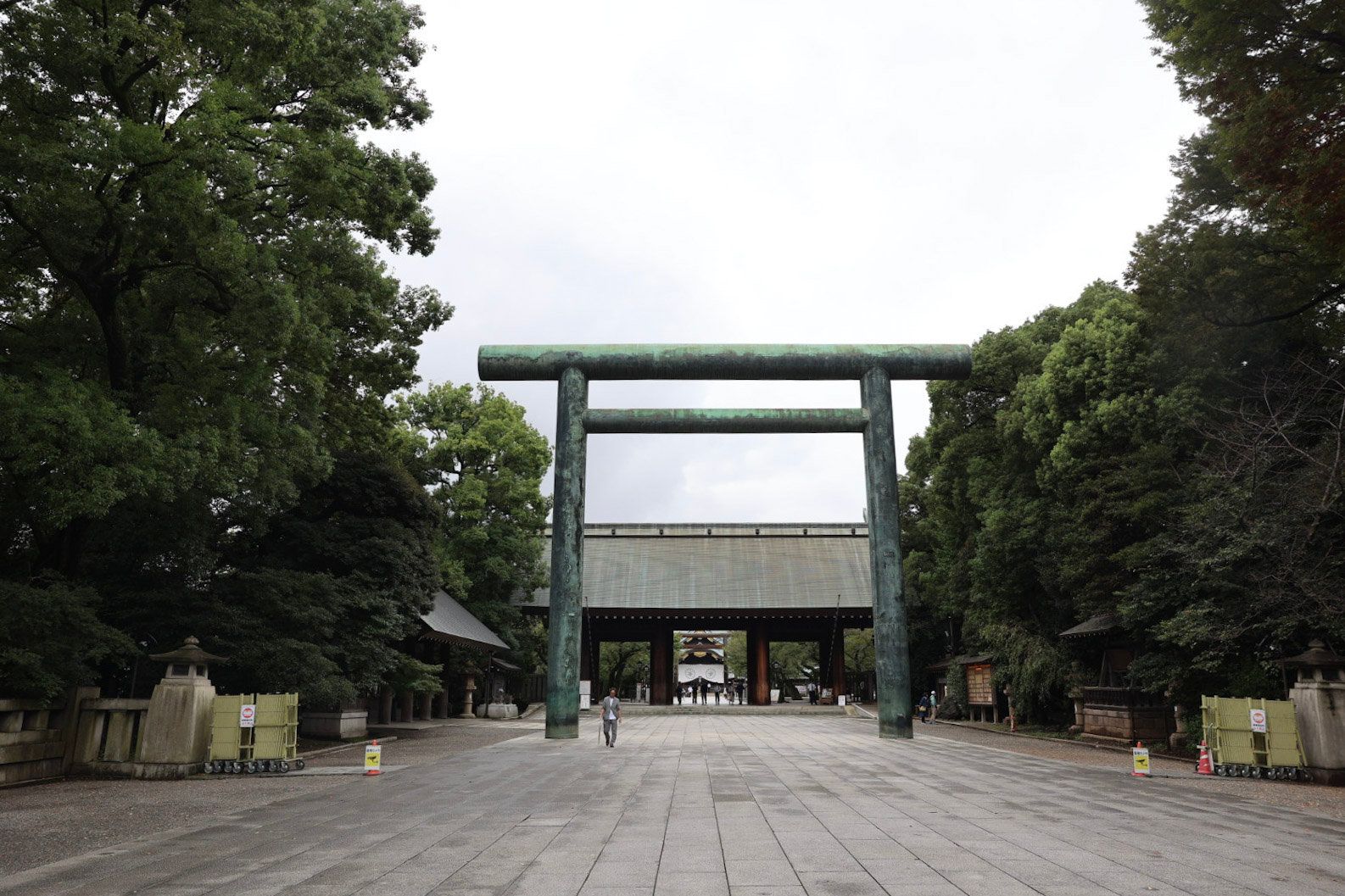
No dia seguinte o céu continuava carregado e fui dar a um sítio onde Tóquio baixa a voz. O santuário Yasukuni é onde o Japão lembra os seus mortos de guerra, quase dois milhões e meio. É um lugar pesado, e discutido, por tudo o que essa história carrega. Não me cabe a mim resolver isso. O que me ficou foi o silêncio: uma alameda enorme, um torii (portal) de bronze, e quase ninguém.
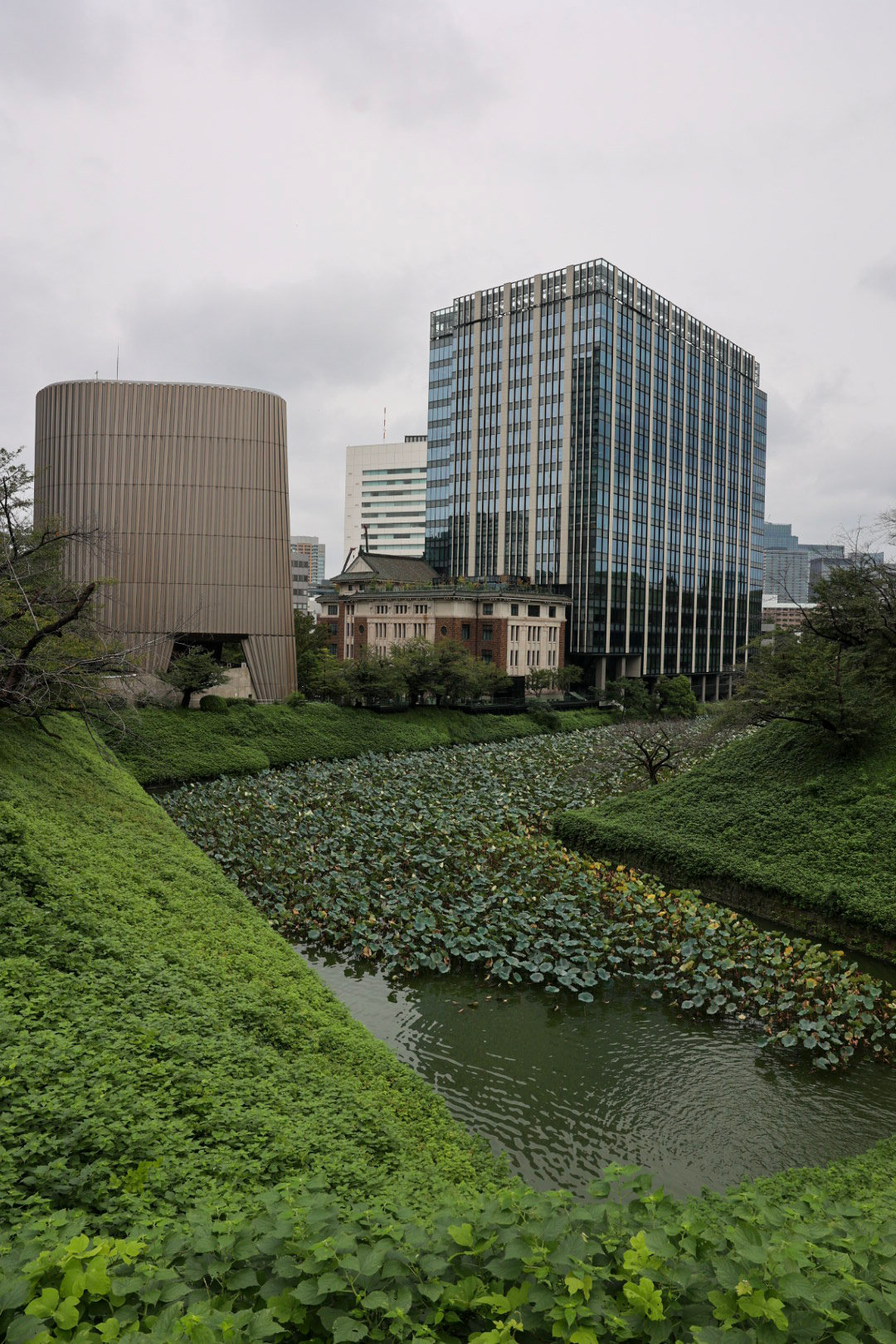
A dois passos dali voltam os escritórios, e é aí que Tóquio me baralha. Um fosso cheio de plantas aquáticas entre torres de vidro. Uma casa antiga, de esquina, encostada a prédios que lhe dão dez andares de avanço. Ninguém parece achar estranho.
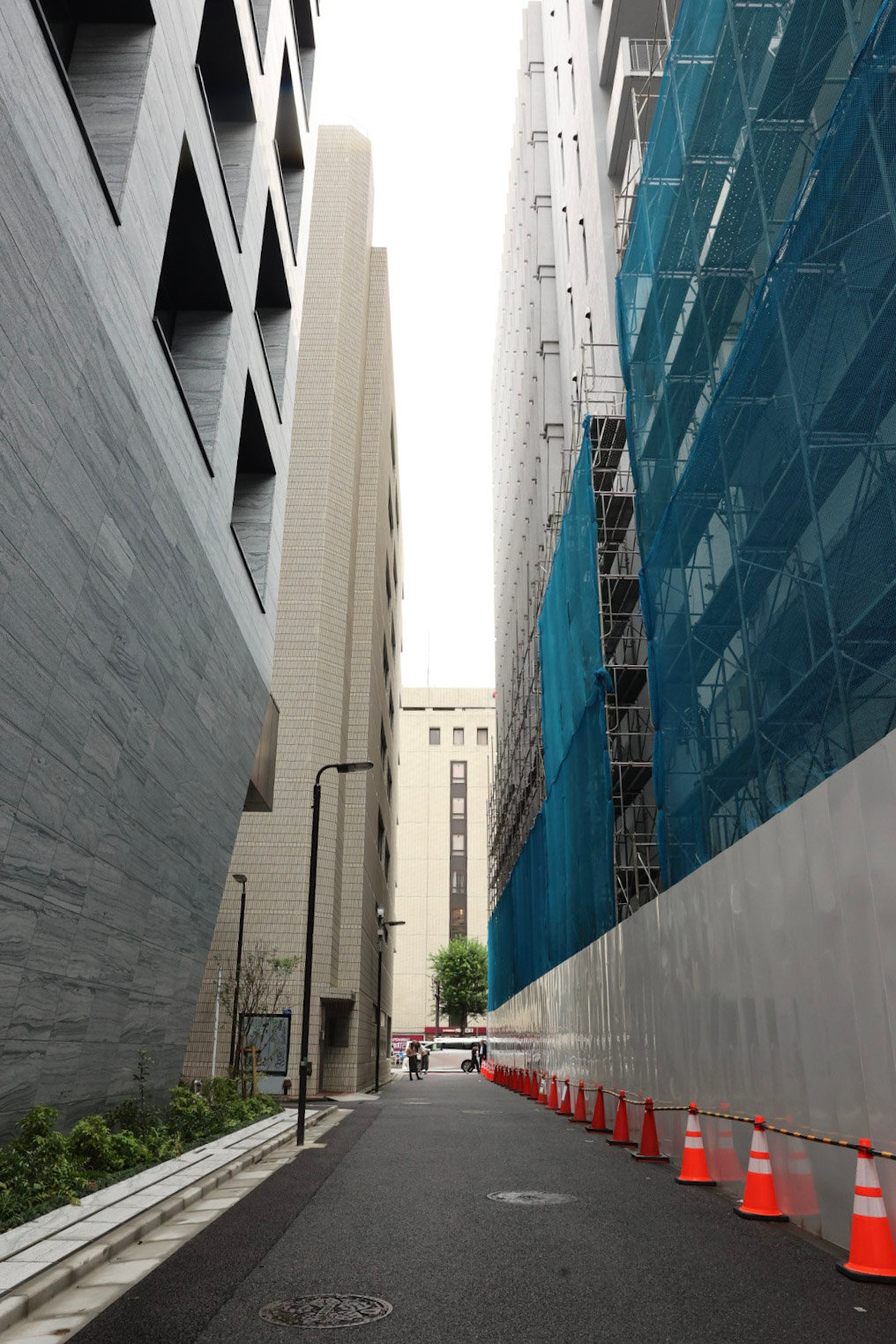
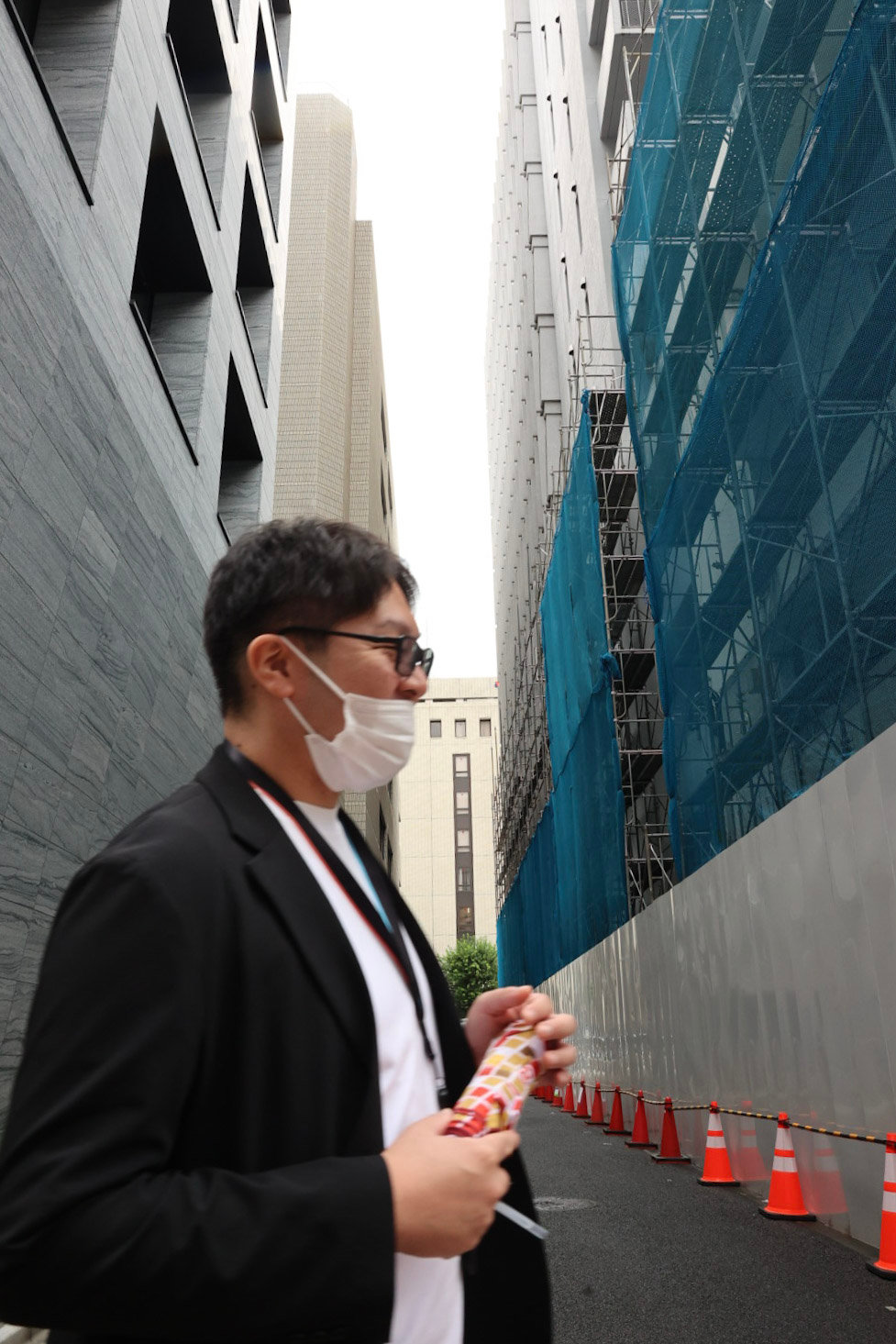
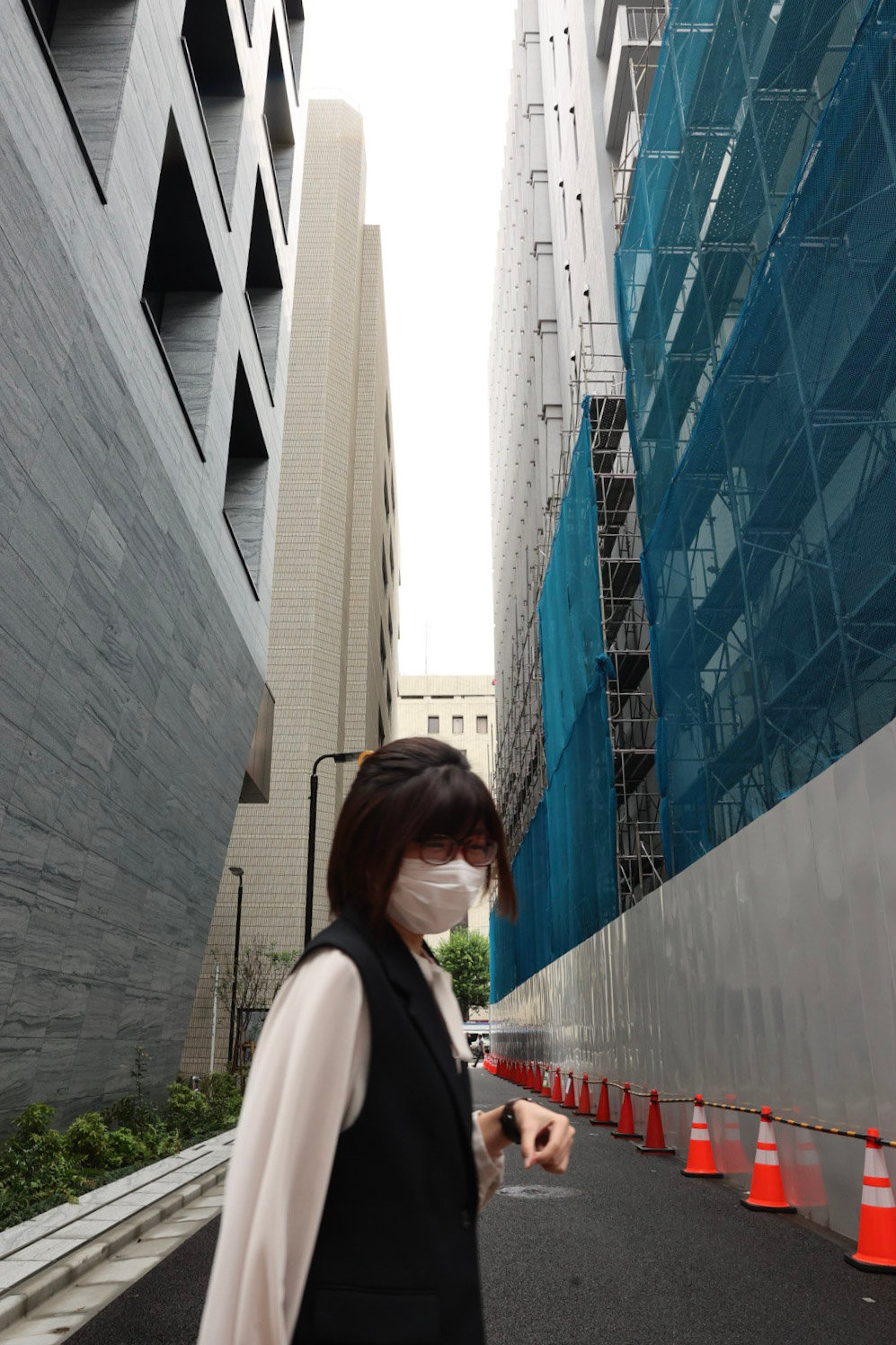
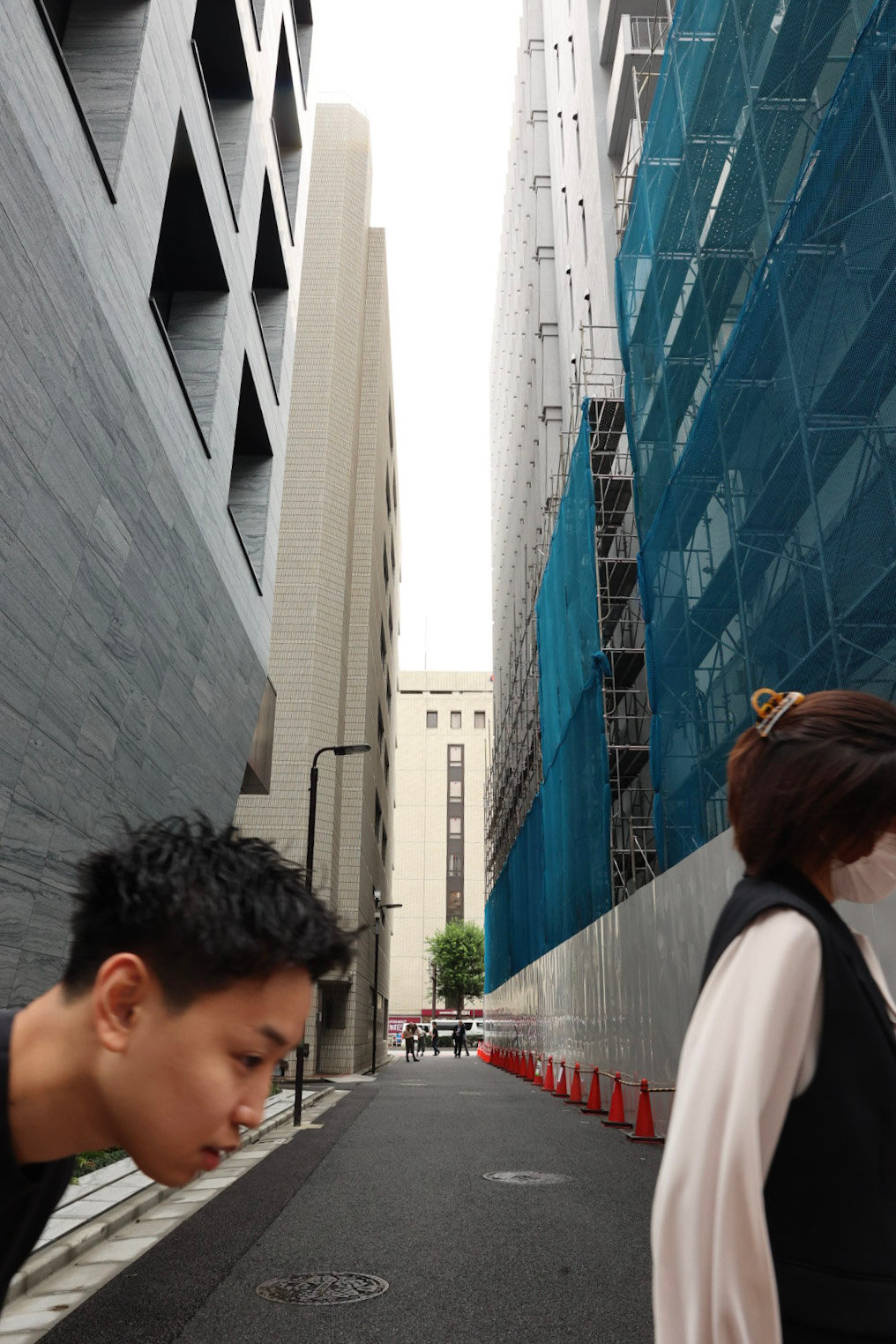
Numa rua estreita, entre dois prédios, parei, enquadrei e deixei a cidade passar-me à frente. O fundo é sempre o mesmo, muda só quem passa.
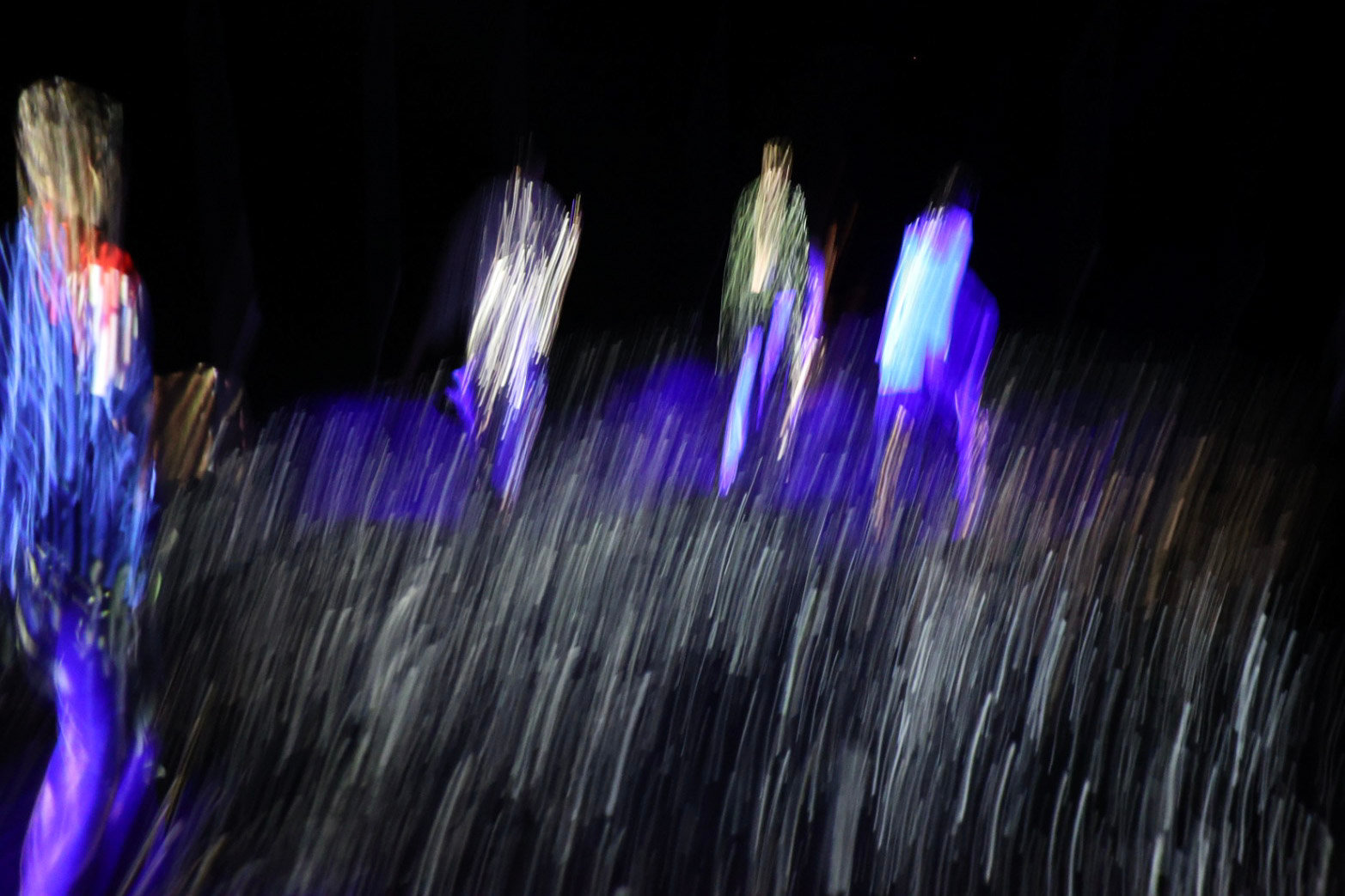
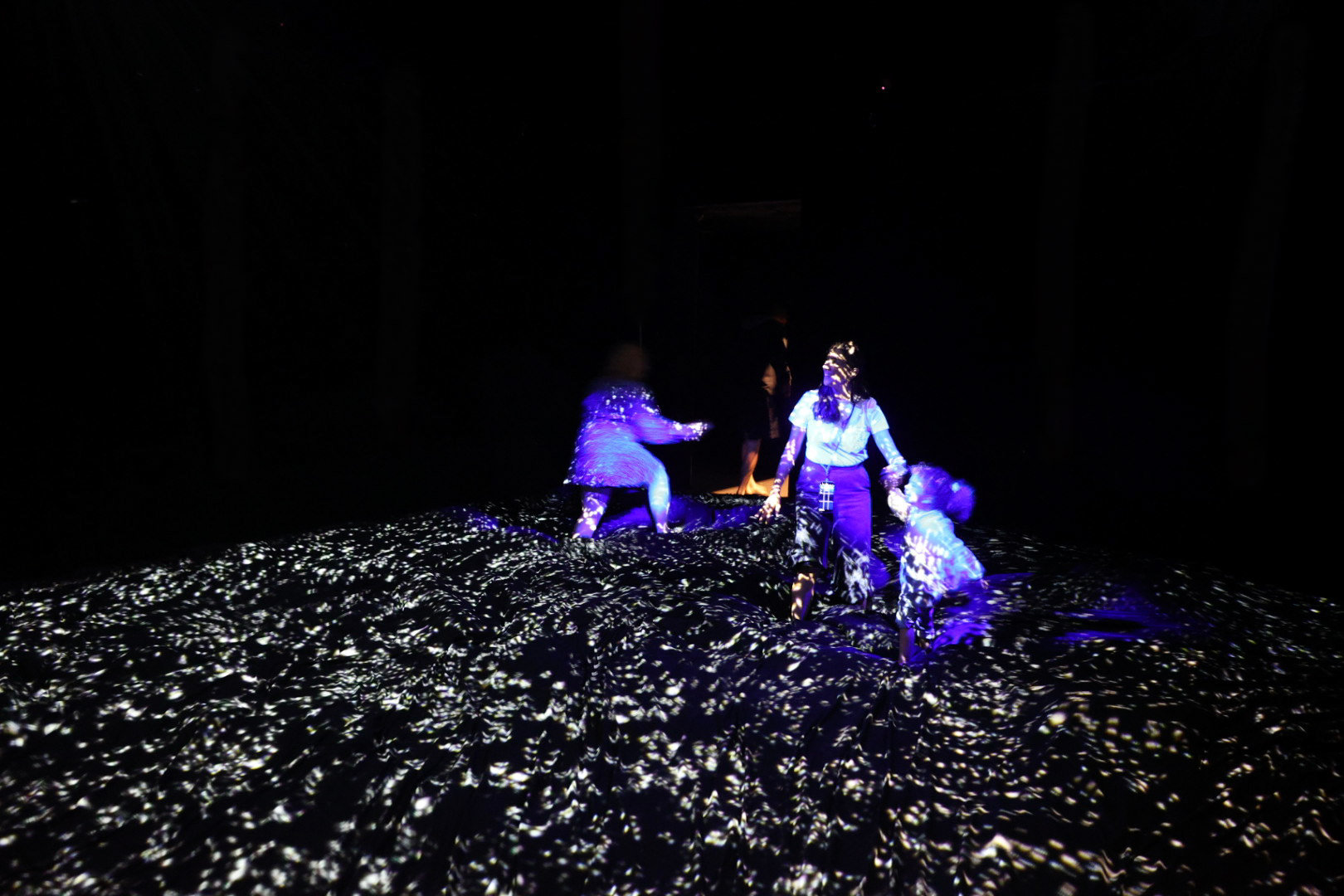
À tarde, o oposto disto tudo: o teamLab. Salas às escuras onde a arte é feita de luz e nós andamos lá dentro, a fazer parte dela. Um chão a brilhar e vultos azuis a atravessar o escuro. Parecia outro planeta, e era só mais uma tarde em Tóquio.
The next day the sky was still heavy and I ended up somewhere Tokyo lowers its voice. Yasukuni Shrine is where Japan remembers its war dead, nearly two and a half million of them. It is a heavy place, and a debated one, for everything that history carries. It is not for me to settle that. What stayed with me was the silence: a huge avenue, a bronze torii (gate), and almost nobody.
A few steps away the offices return, and that is where Tokyo throws me. A moat full of water plants between glass towers. An old corner house leaning against buildings that have ten floors on it. Nobody seems to find it strange.
In a narrow street between two buildings I stopped, framed, and let the city walk past me. The background is always the same, only the passer-by changes.
In the afternoon, the opposite of all this: teamLab. Dark rooms where the art is made of light and we walk around inside it, becoming part of it. A shining floor and blue shapes crossing the dark. It looked like another planet, and it was just one more afternoon in Tokyo.

III
A torre ao fundo da rua / The tower at the end of the street
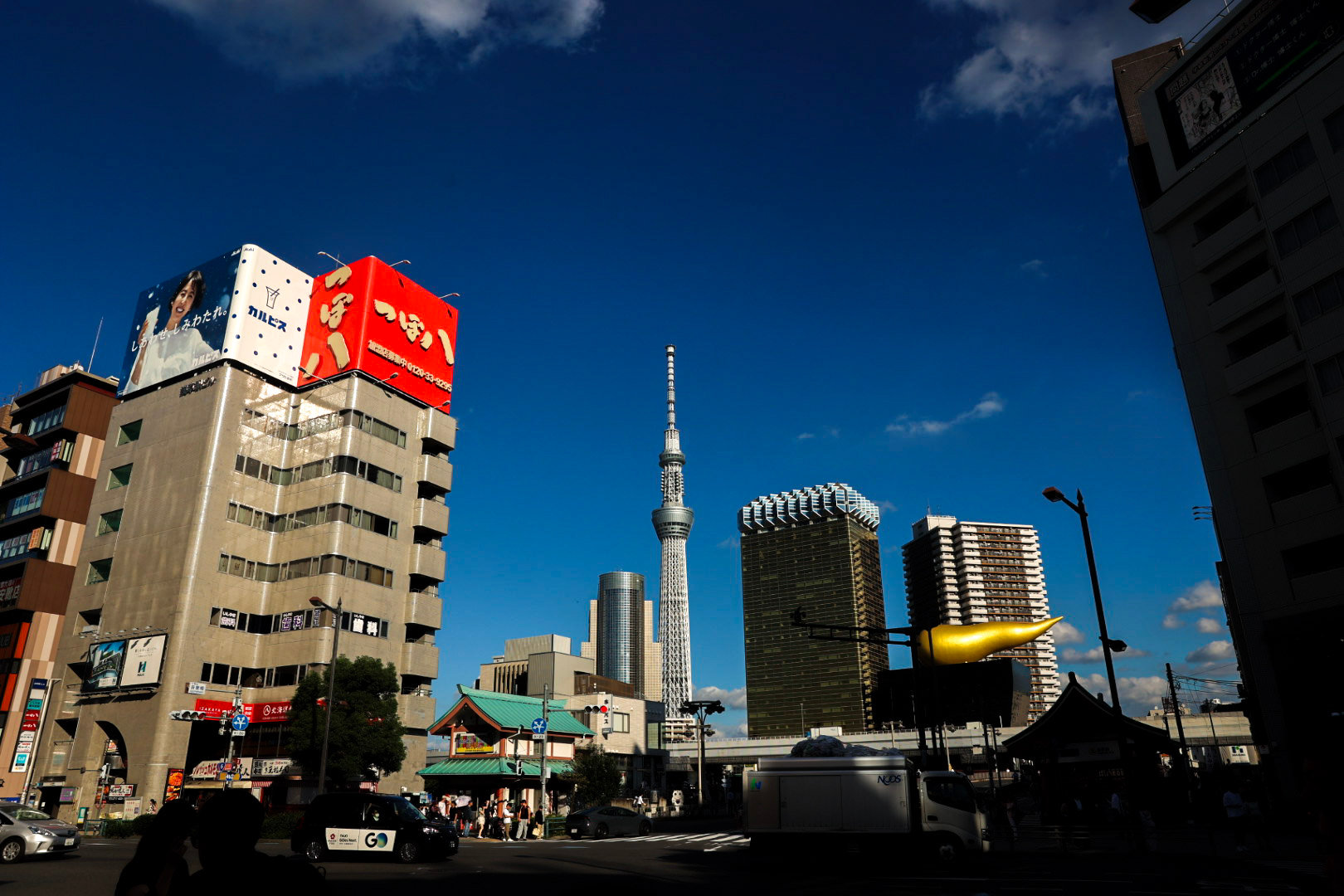
Ao terceiro dia o céu abriu, e o calor veio todo de uma vez. À hora de almoço, uma banca de espetadas de lula, de vieira, de caranguejo-real, com os preços escritos à mão. Comida feita ali, à frente de quem passa.
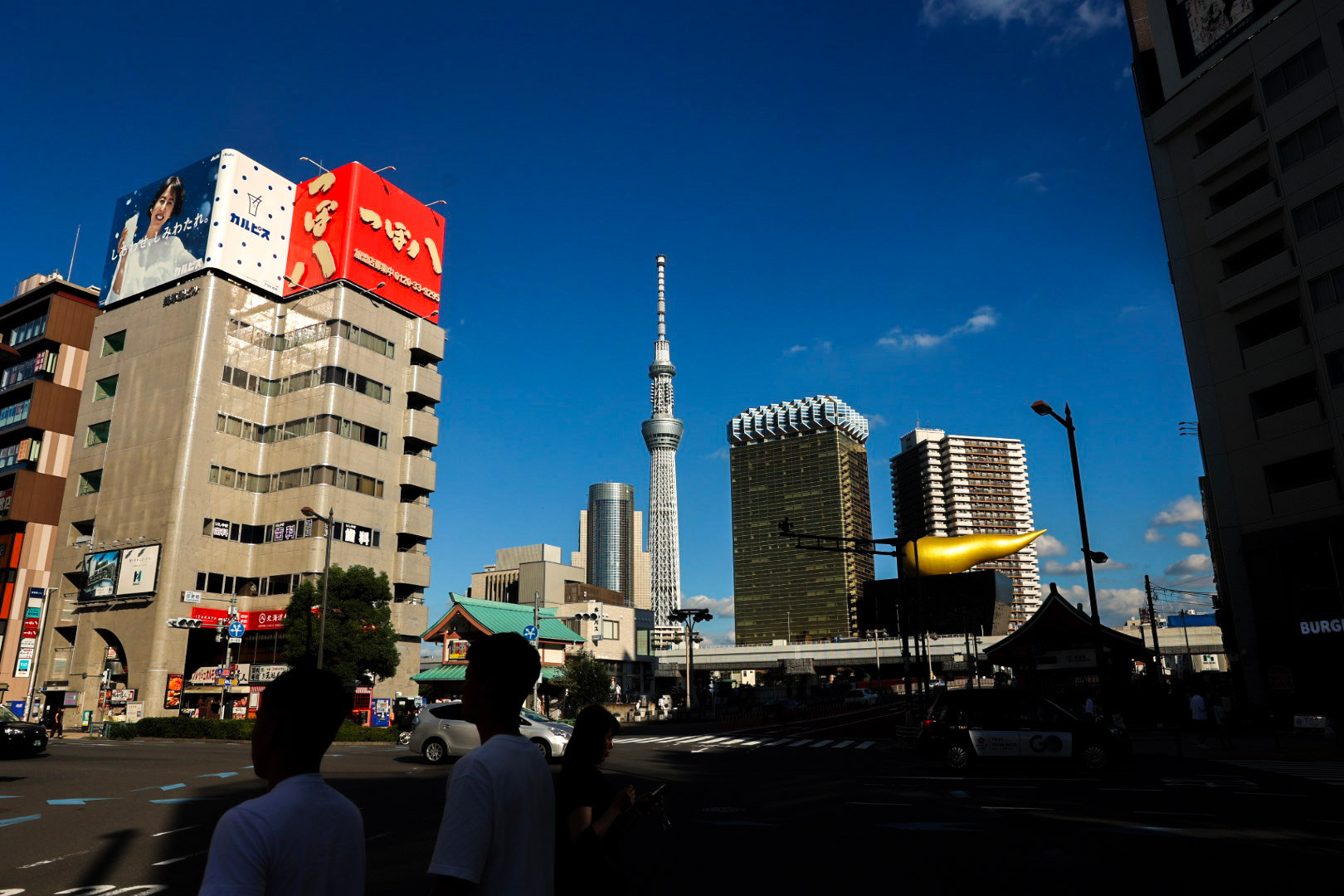
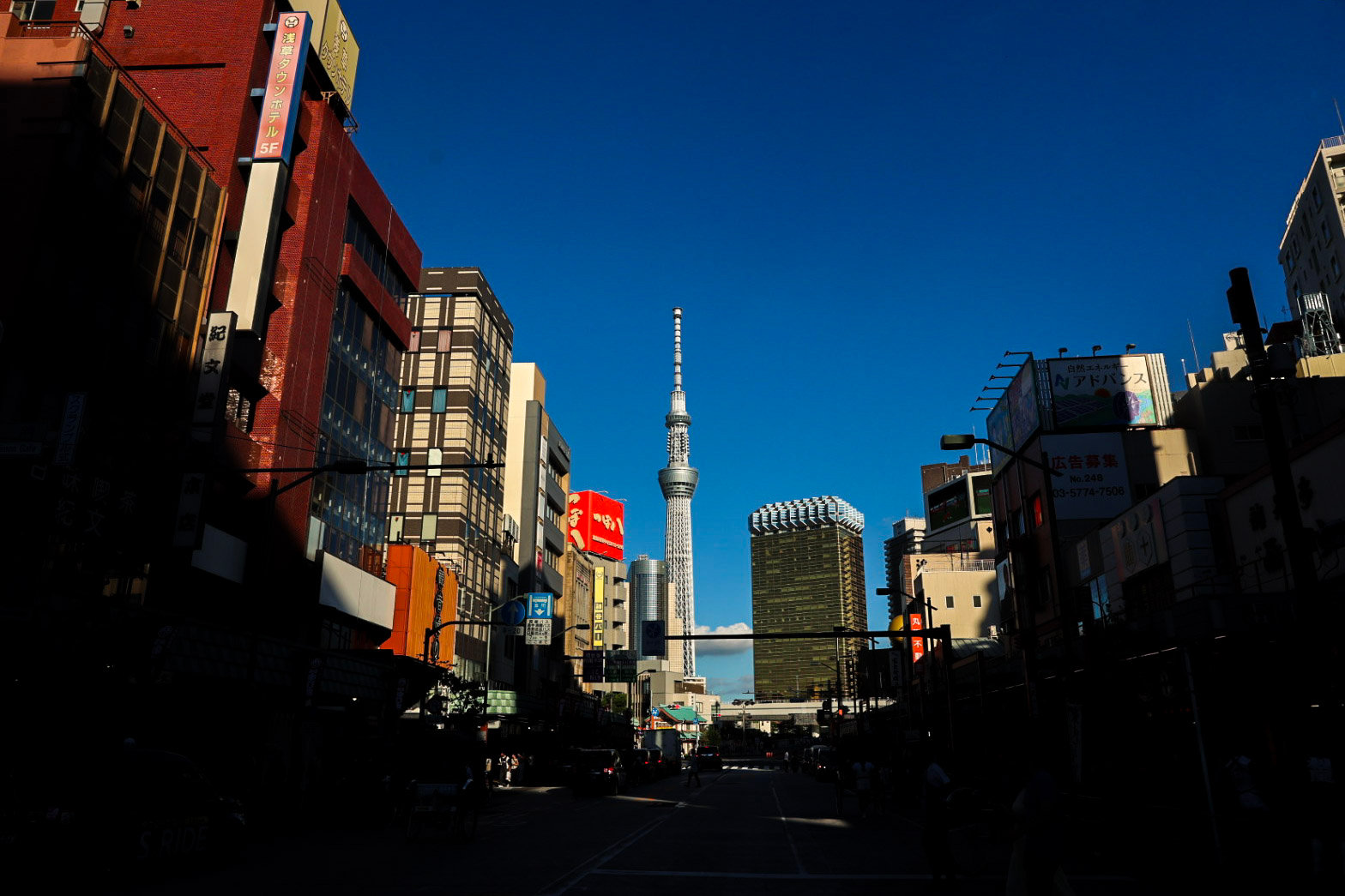
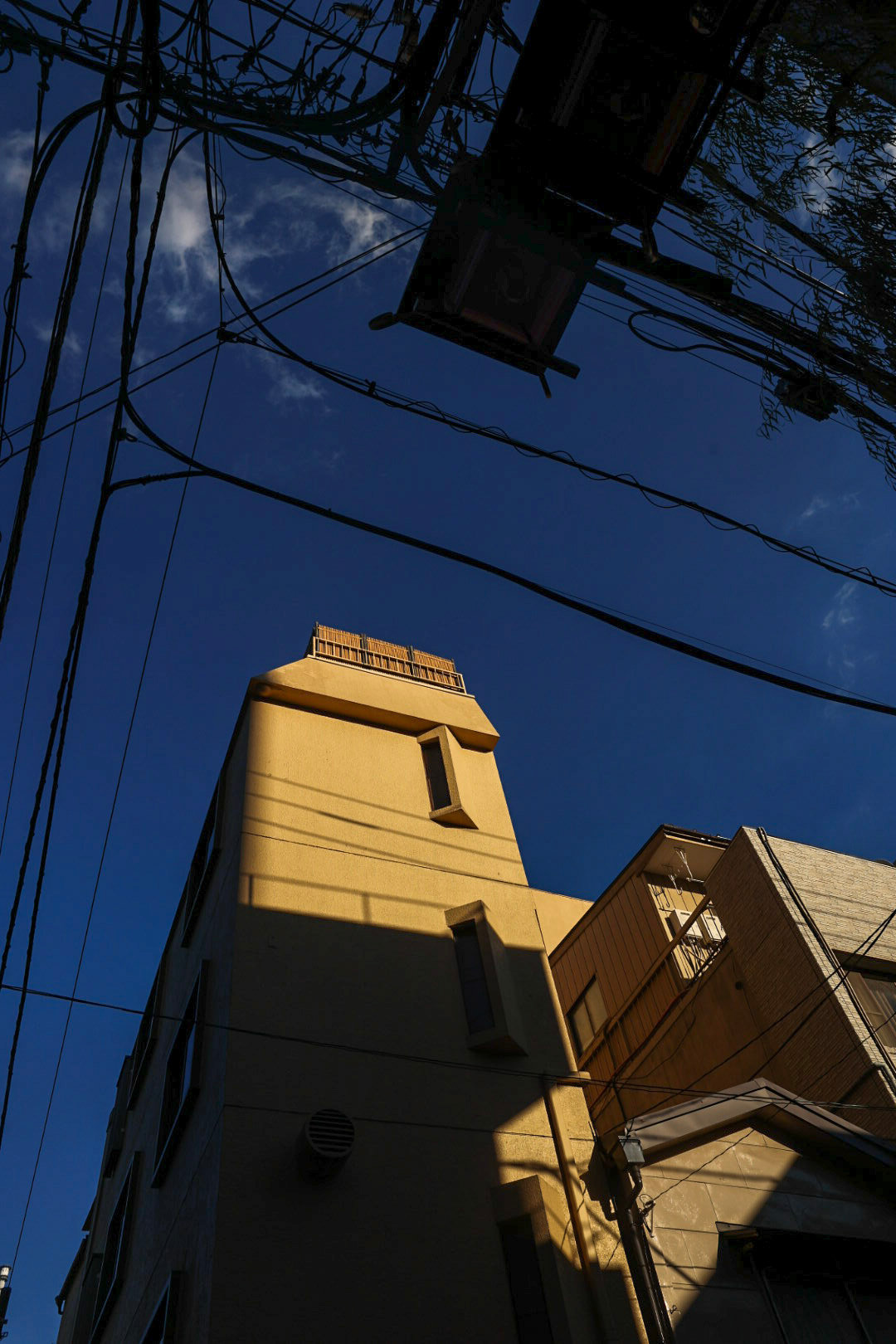
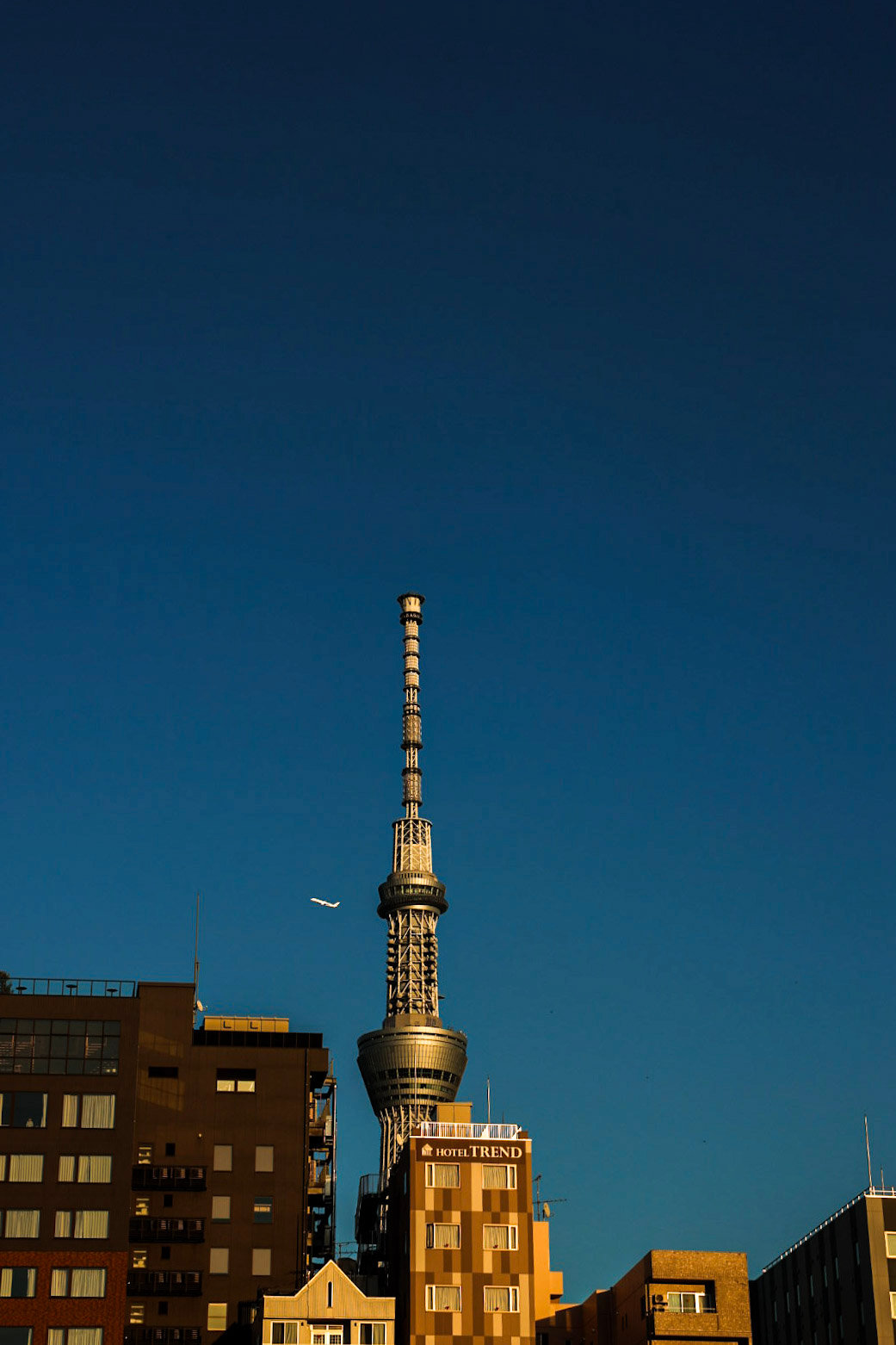
Depois apareceu a Skytree e não me largou mais. São 634 metros de torre, a coisa mais alta do Japão, e a verdade é que se vê de todo o lado. Ao fundo de uma rua, por cima de um telhado, no meio dos cabos eléctricos. Virava uma esquina e lá estava ela outra vez.
Há quem pague para subir lá acima e ver Tóquio inteira. Eu gostei dela assim, cá de baixo, a espreitar entre os prédios. Numa cidade onde perdi a noção do tamanho das coisas, deu-me jeito ter uma que não saía do sítio.
On the third day the sky cleared, and the heat arrived all at once. At lunchtime, a stall of skewers, squid, scallop, king crab, the prices written by hand. Food cooked right there, in front of whoever walks by.
Then the Skytree showed up and would not let go of me. It is 634 metres of tower, the tallest thing in Japan, and the truth is you can see it from everywhere. At the end of a street, over a rooftop, through the power lines. I would turn a corner and there it was again.
Some people pay to go up it and see the whole of Tokyo. I liked it like this, from down here, peeking between the buildings. In a city where I had lost all sense of the size of things, it was handy to have one that stayed put.




IV
Asakusa ao cair da tarde / Asakusa at dusk
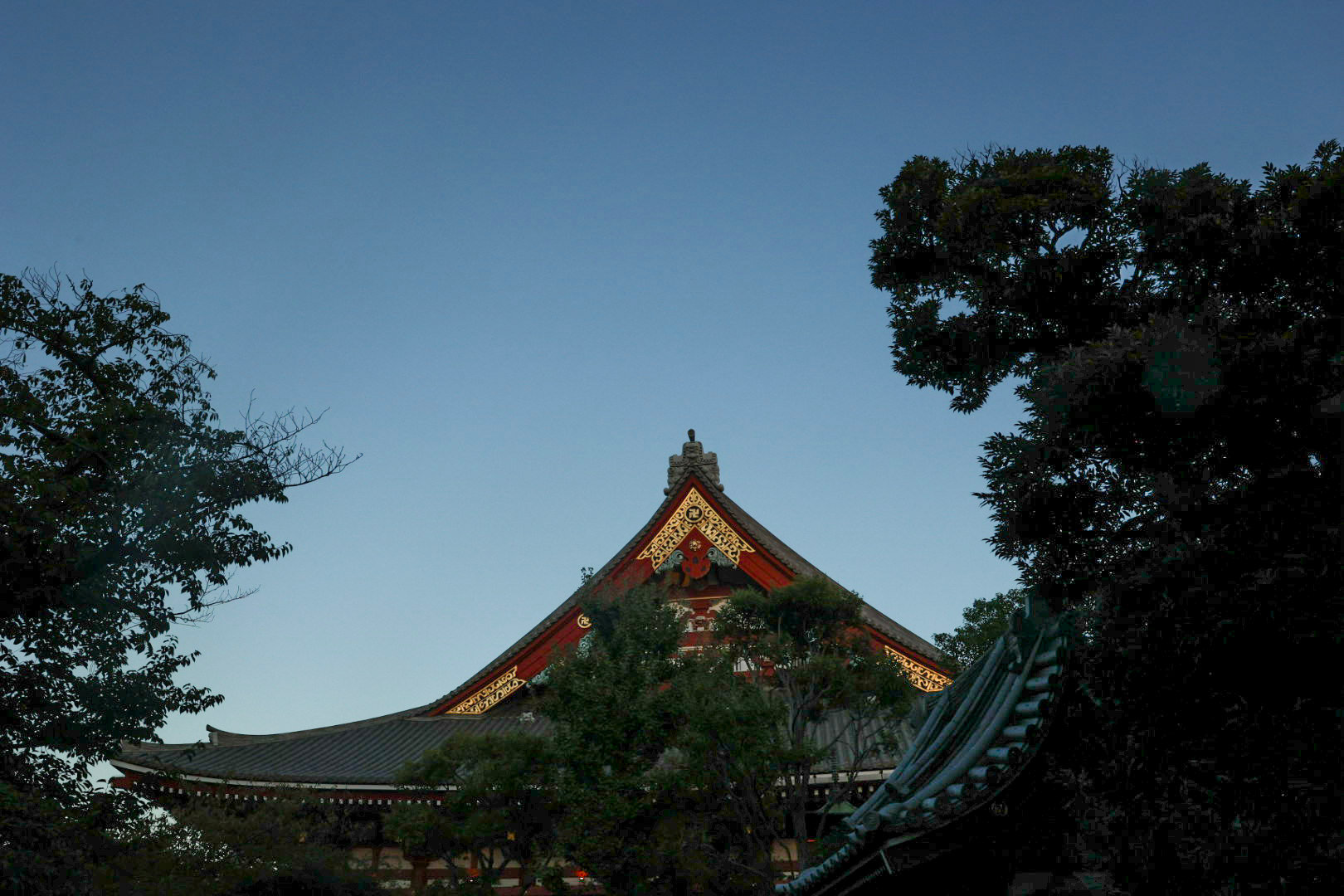
Ao fim da tarde cheguei a Asakusa, que é onde Tóquio ainda se parece com o que foi. O Sensō-ji é o templo mais antigo da cidade. Reza a lenda que, há quase catorze séculos, dois irmãos pescadores apanharam no rio uma estátua de Kannon, a figura budista da compaixão, e foi assim que tudo começou.
Hoje passam por lá uns trinta milhões de pessoas por ano e, no meio dessa romaria toda, ainda há quem vá só para rezar. Tira-se a sorte num papelinho, o omikuji, e puxa-se o fumo do incenso para cima do que dói. Não custa tentar.
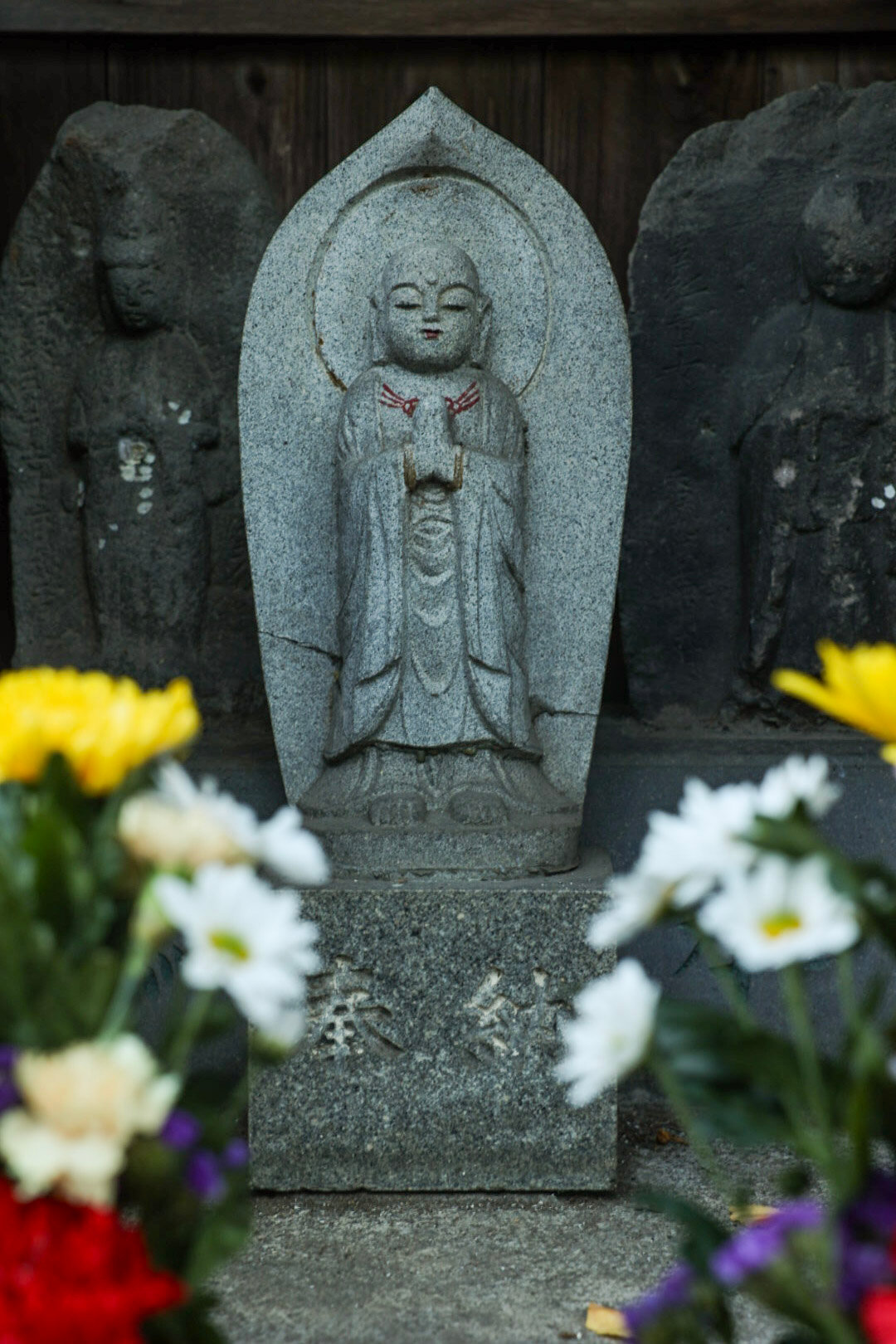
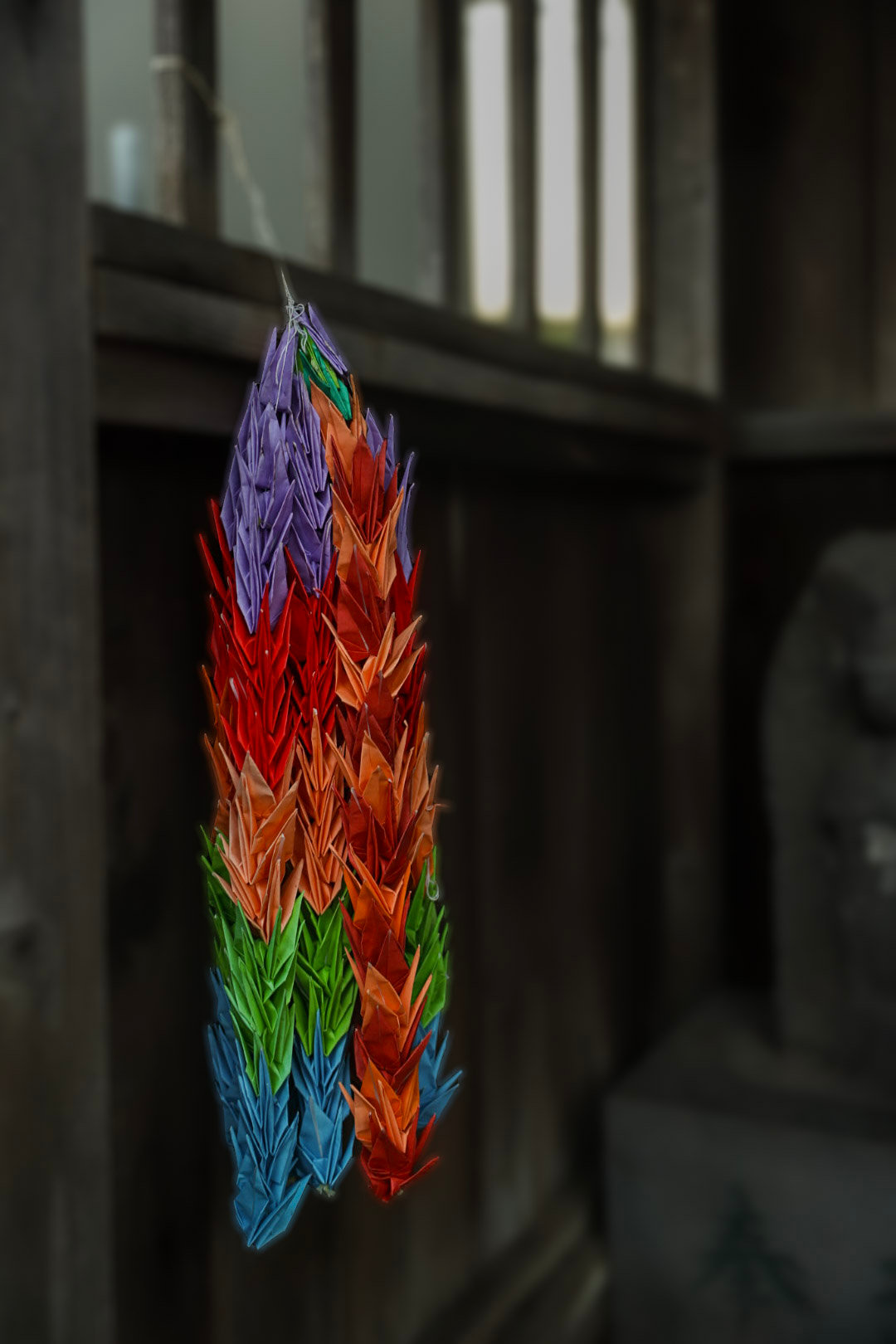
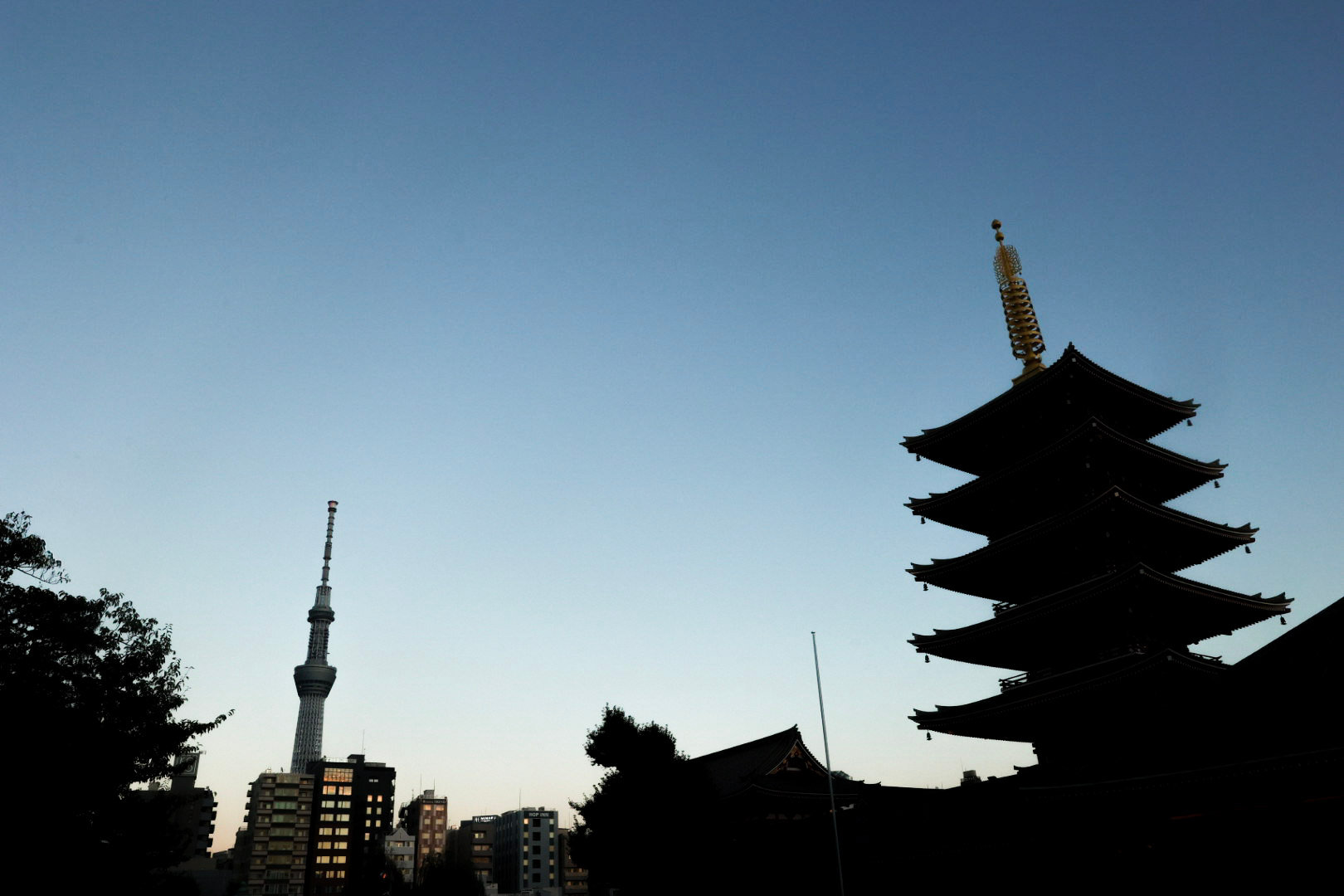
Apanhei-o com a luz a ir-se embora. Uma figura de pedra com flores frescas, um cacho de grous de papel que alguém ali deixou, o pagode a escurecer contra o céu. E a Skytree lá ao fundo, claro. Catorze séculos de um lado, catorze anos do outro, na mesma fotografia.
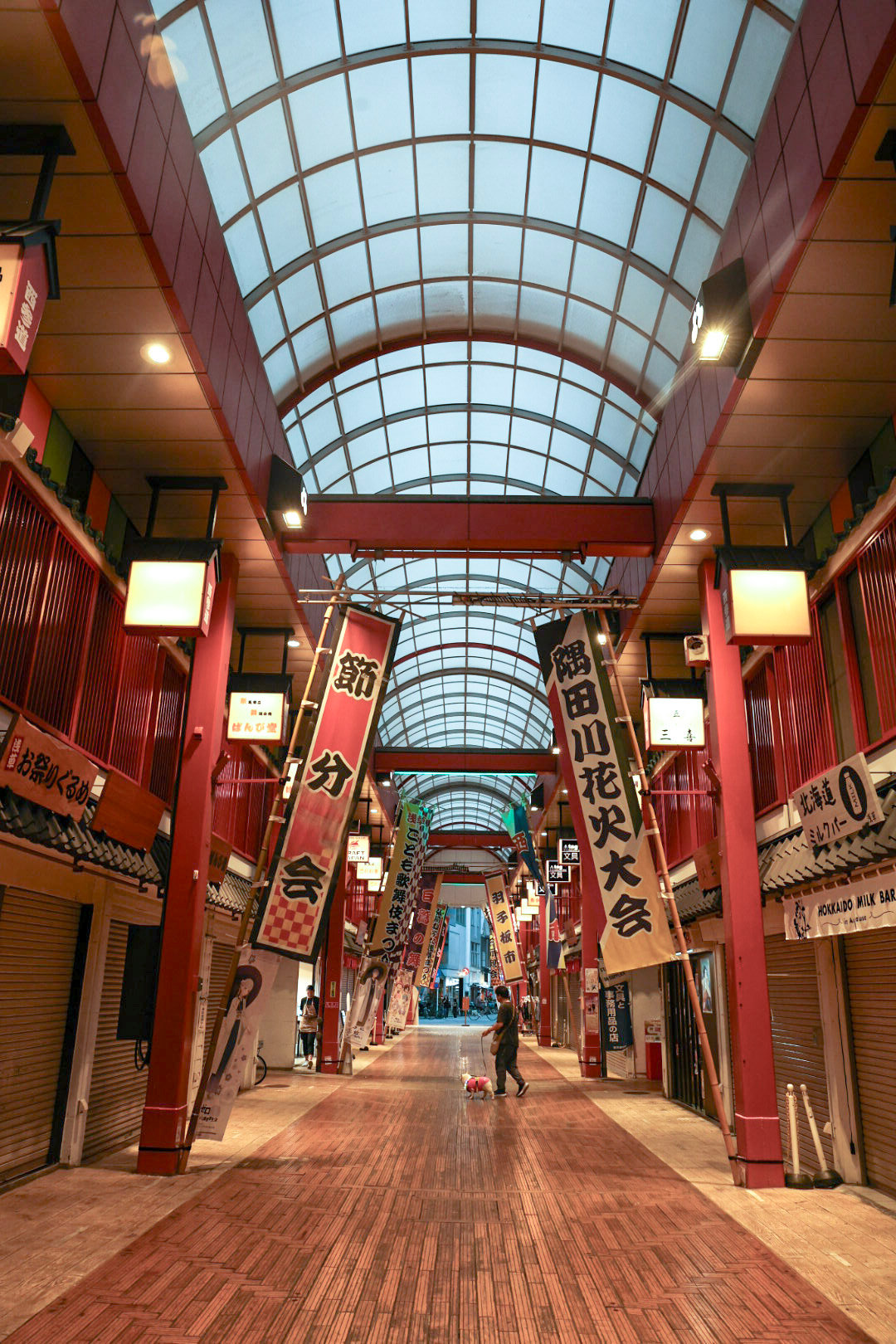
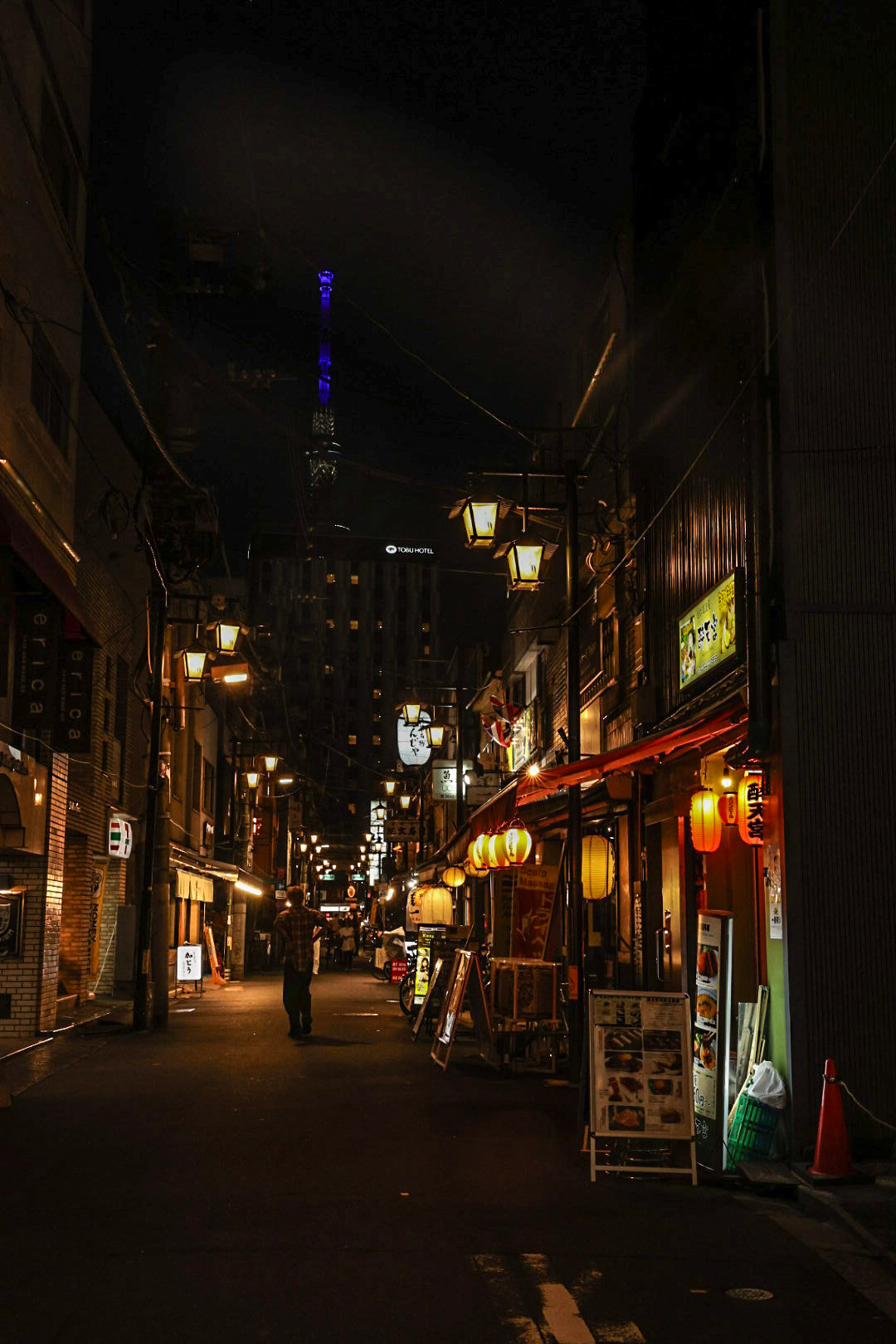
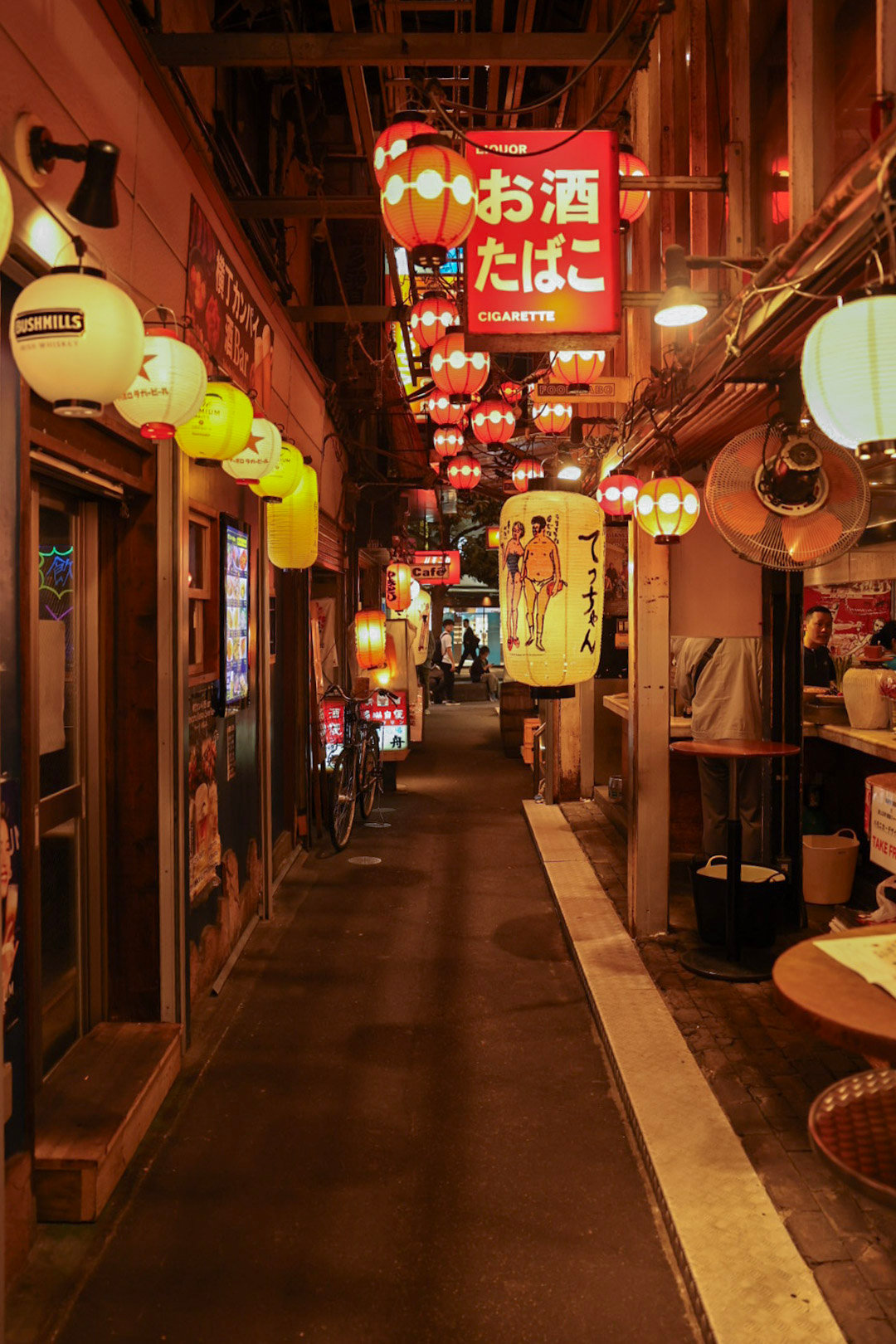
Depois foram as ruas à volta, uma galeria coberta já quase vazia e as izakaya (tascas) a acender as lanternas, uma a uma. É a hora de que mais gosto, o lusco-fusco.
In the late afternoon I reached Asakusa, which is where Tokyo still looks like what it used to be. Sensō-ji is the oldest temple in the city. Legend has it that, nearly fourteen centuries ago, two fisherman brothers pulled a statue of Kannon, the Buddhist figure of compassion, out of the river, and that is how it all began.
Today some thirty million people pass through every year and, in the middle of all that pilgrimage, there are still those who go just to pray. You draw your fortune on a slip of paper, the omikuji, and you waft the incense smoke over whatever hurts. No harm in trying.
I caught it as the light was leaving. A stone figure with fresh flowers, a cluster of paper cranes someone had left there, the pagoda darkening against the sky. And the Skytree in the background, of course. Fourteen centuries on one side, fourteen years on the other, in the same photograph.
Then came the streets around it, a covered arcade already almost empty and the izakaya (taverns) lighting their lanterns, one by one. It is the hour I like best, dusk.


V
Lótus em Ueno / Lotus in Ueno
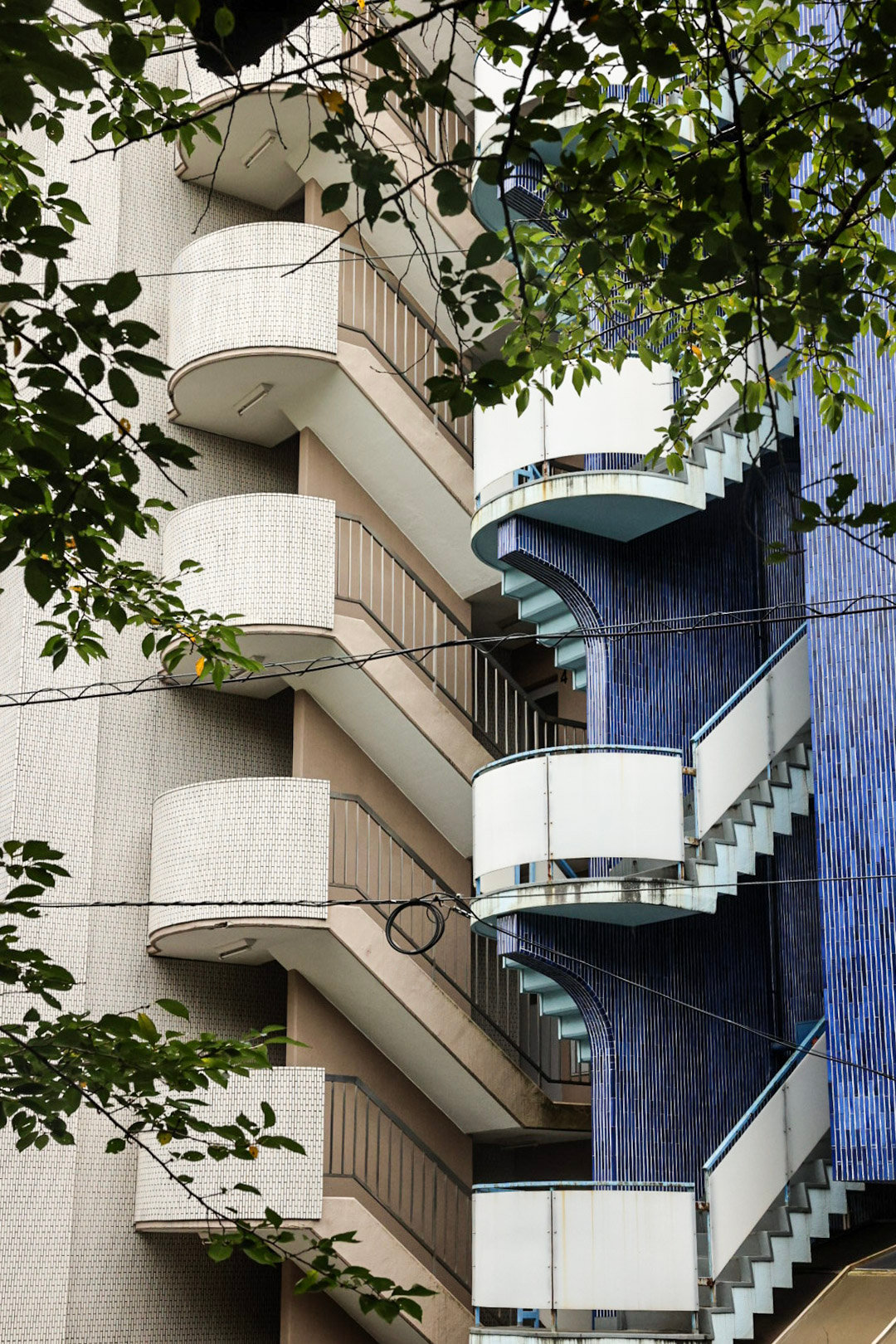
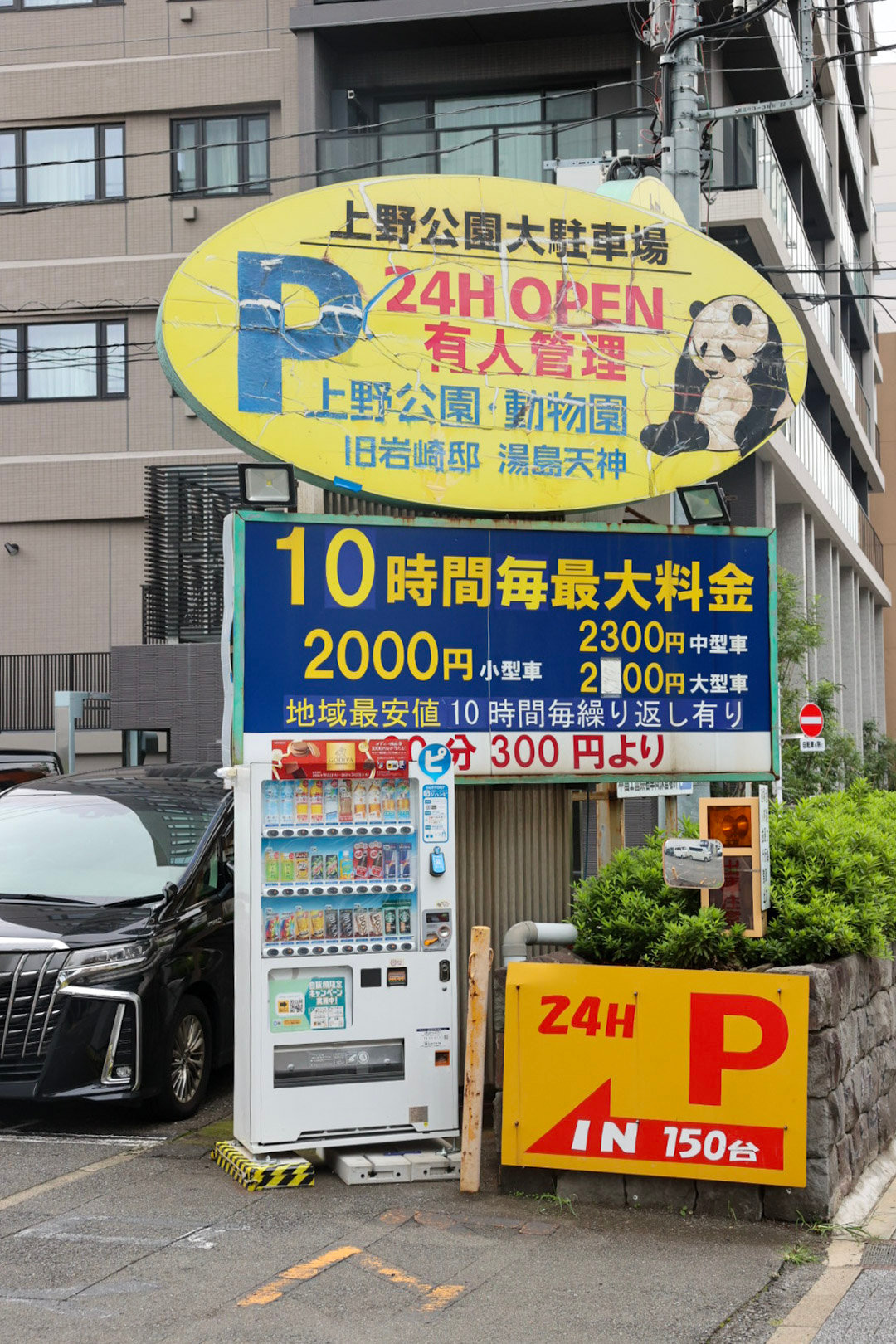
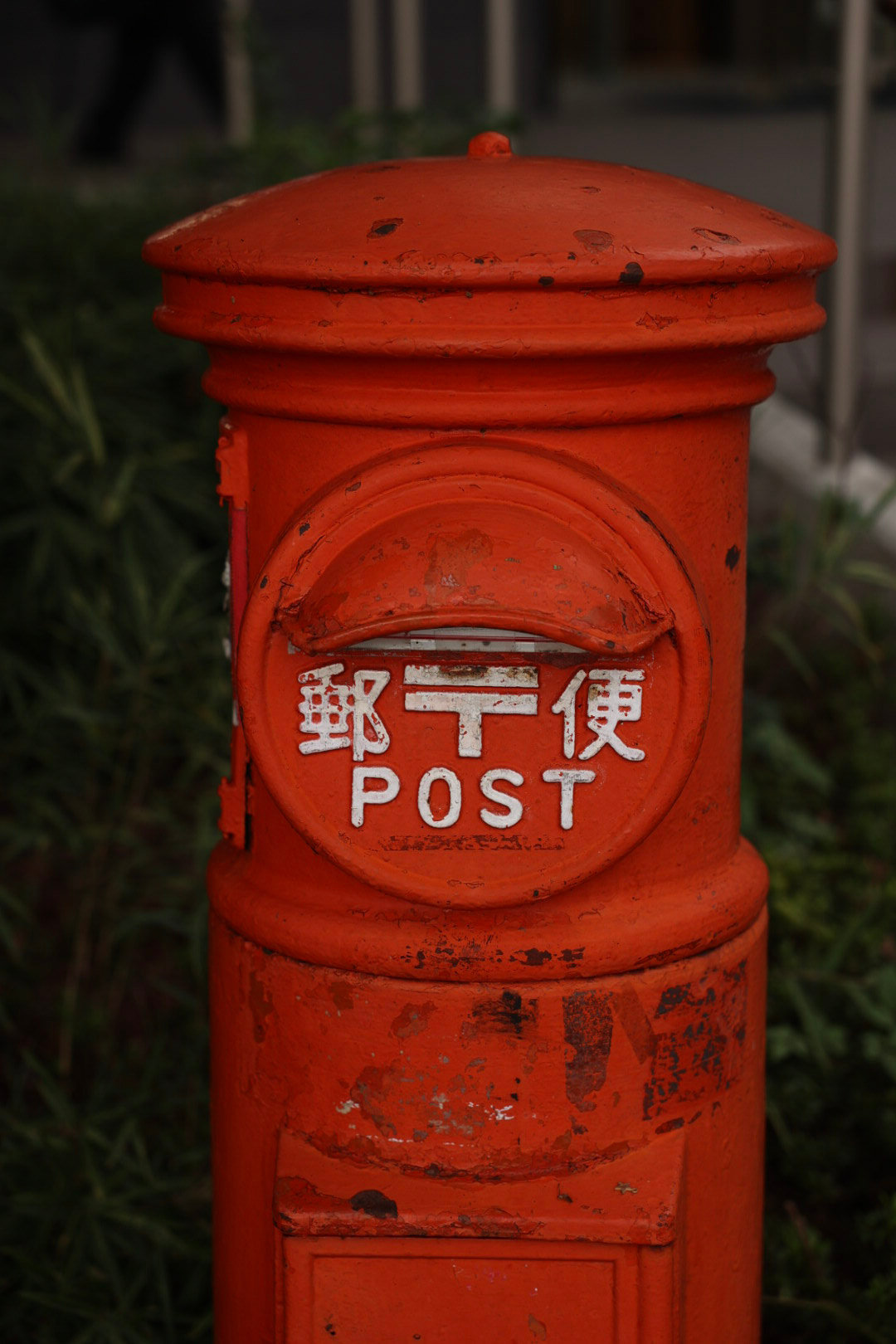
No dia de vir embora voltaram as nuvens. Andei a apanhar pormenores: umas escadas em caracol, uma carrinha parada à porta de uma loja. Tóquio nunca se deixa ver inteira, vê-se aos bocadinhos.
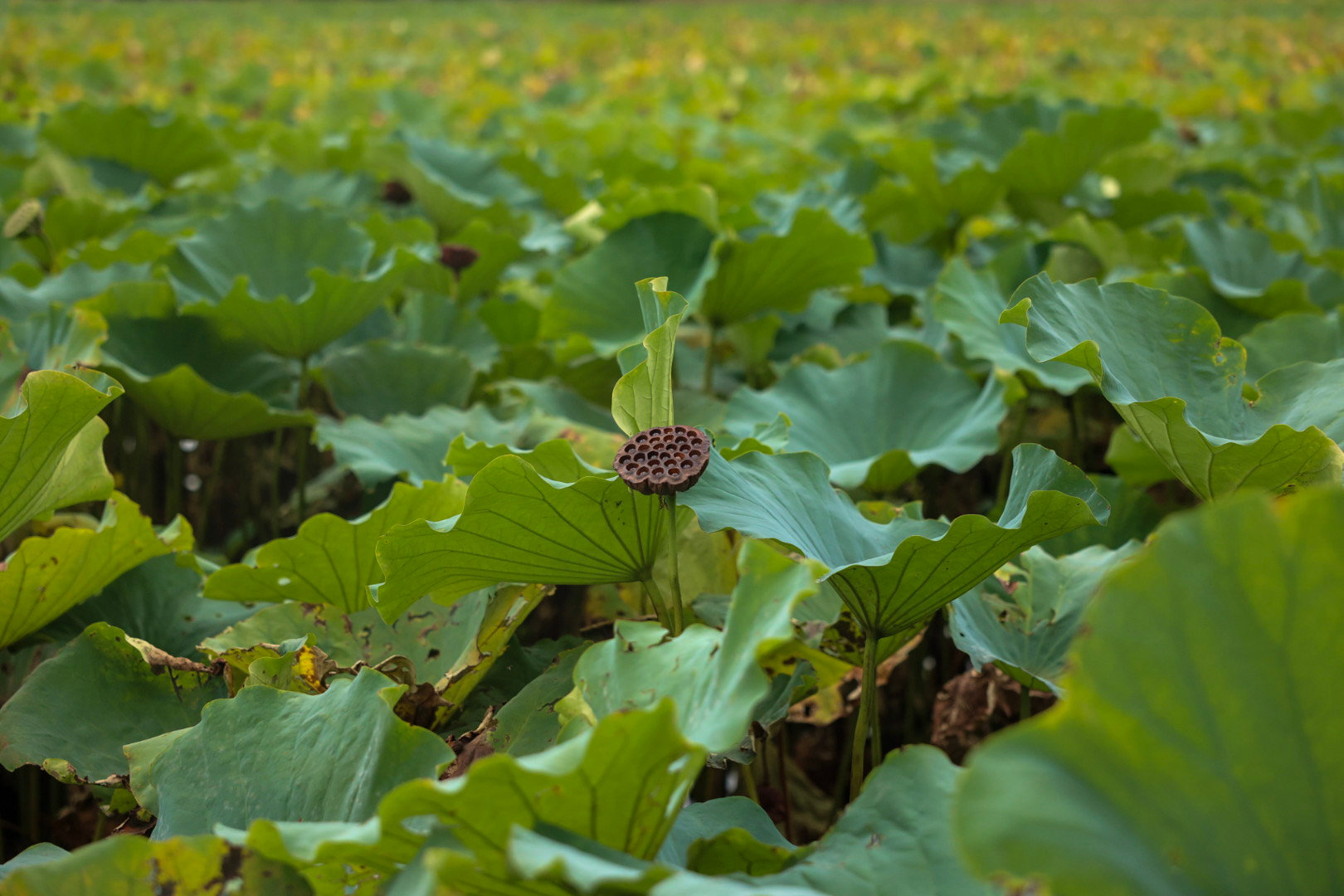
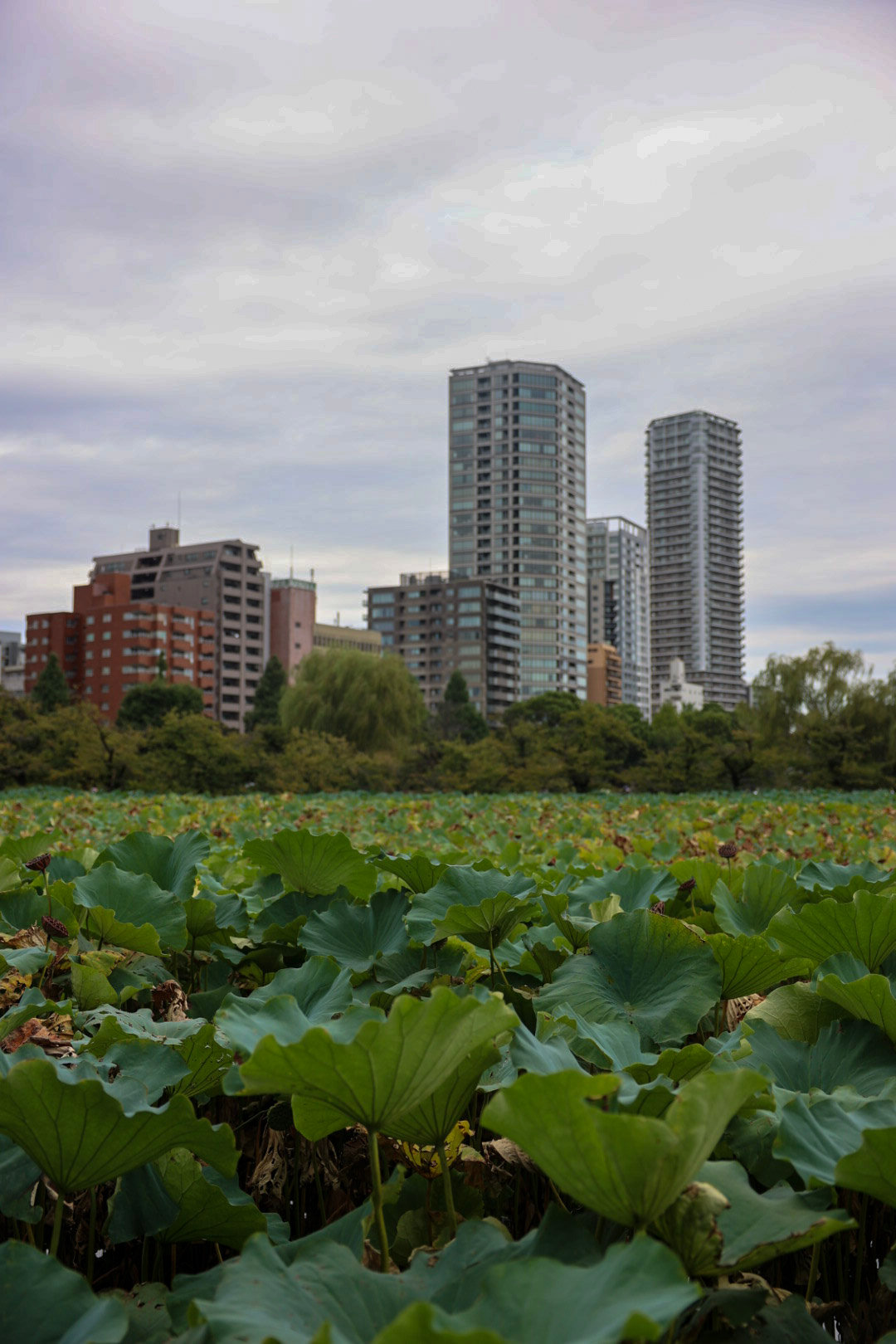
Em Ueno fica o parque de toda a gente, com os museus, o jardim zoológico dos pandas e, na Primavera, as cerejeiras e a cidade inteira debaixo delas. Eu fui lá no fim do Verão, e o que encontrei foi lótus. O lago Shinobazu estava tão coberto de folhas que deixava de ser lago. Um mar verde, e as torres lá atrás a fazer de conta que não era nada com elas.
On the day we left, the clouds came back. I went around collecting details: a spiral staircase, a small truck parked outside a shop. Tokyo never lets you see it whole, you see it in little pieces.
Ueno is everybody’s park, with the museums, the zoo with its pandas and, in spring, the cherry trees with the whole city underneath them. I went at the end of summer, and what I found was lotus. Shinobazu Pond was so covered in leaves it had stopped being a pond. A green sea, and the towers behind pretending it had nothing to do with them.



VI
Lanternas e fumo / Lanterns and smoke
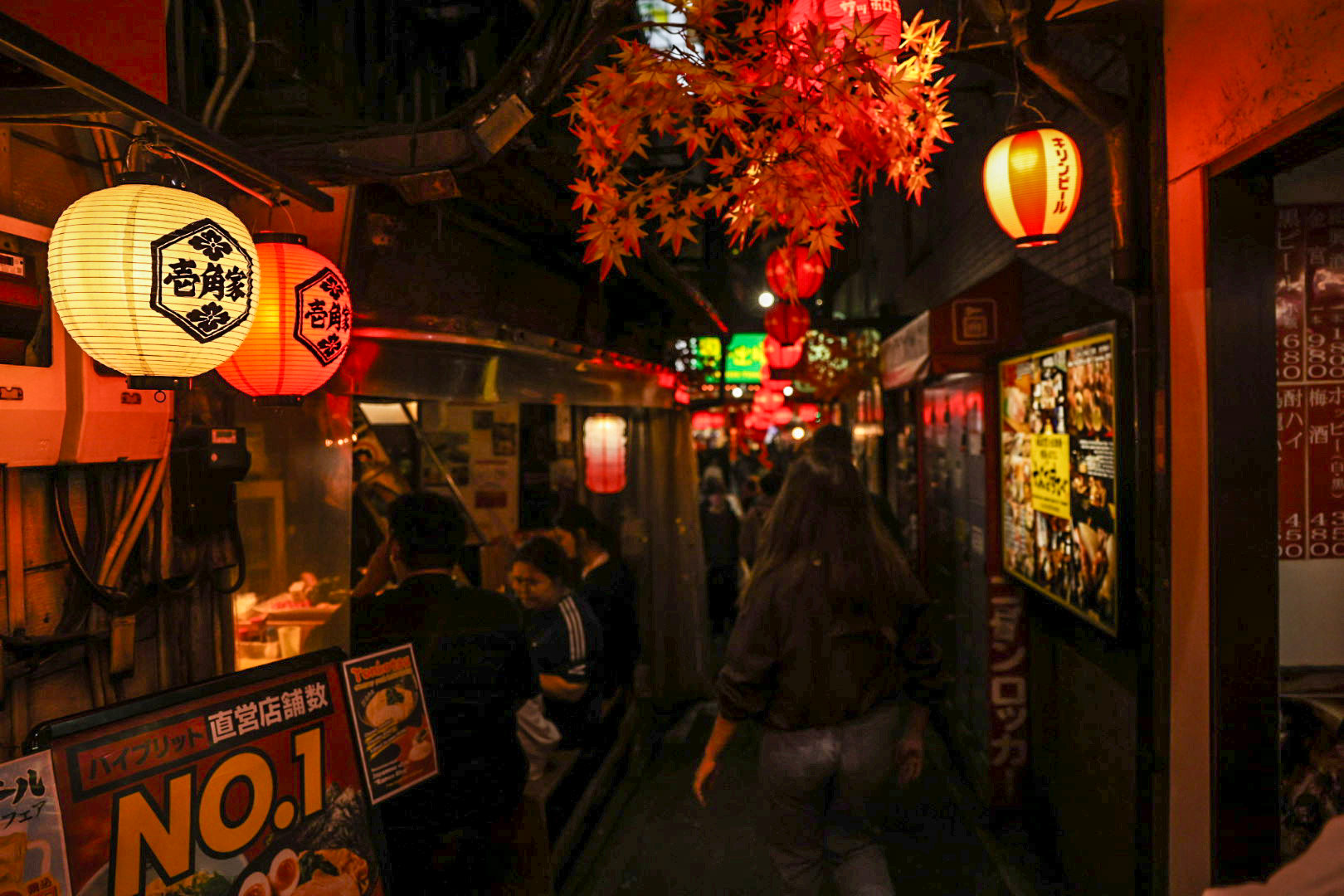
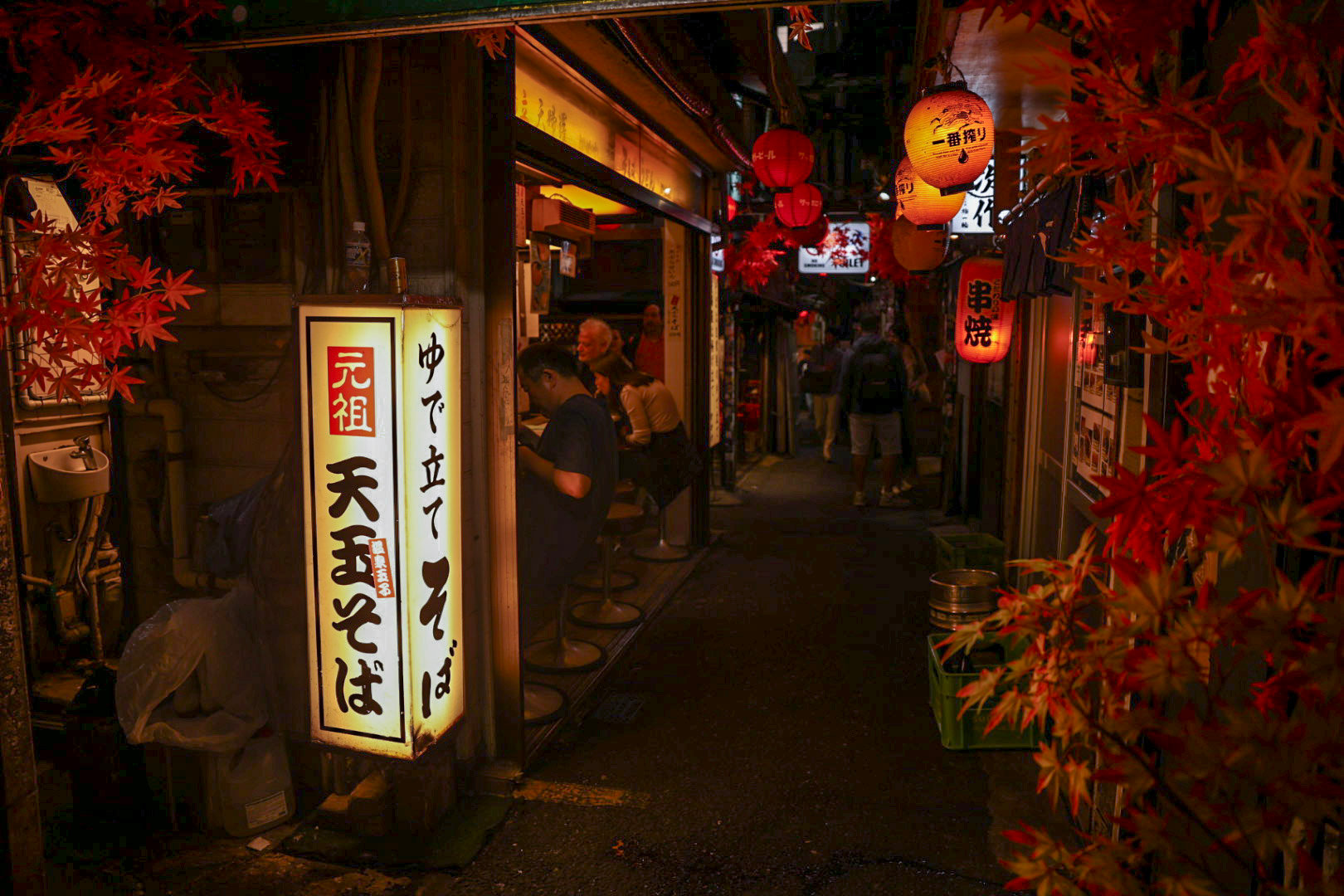
As últimas horas foram em Shinjuku, nos becos do Omoide Yokochō, que quer dizer qualquer coisa como beco das memórias. Ficam colados à estação mais movimentada do mundo e são umas sessenta tascas onde mal cabe o balcão. Nasceram como mercado negro, logo a seguir à guerra, e ficaram.
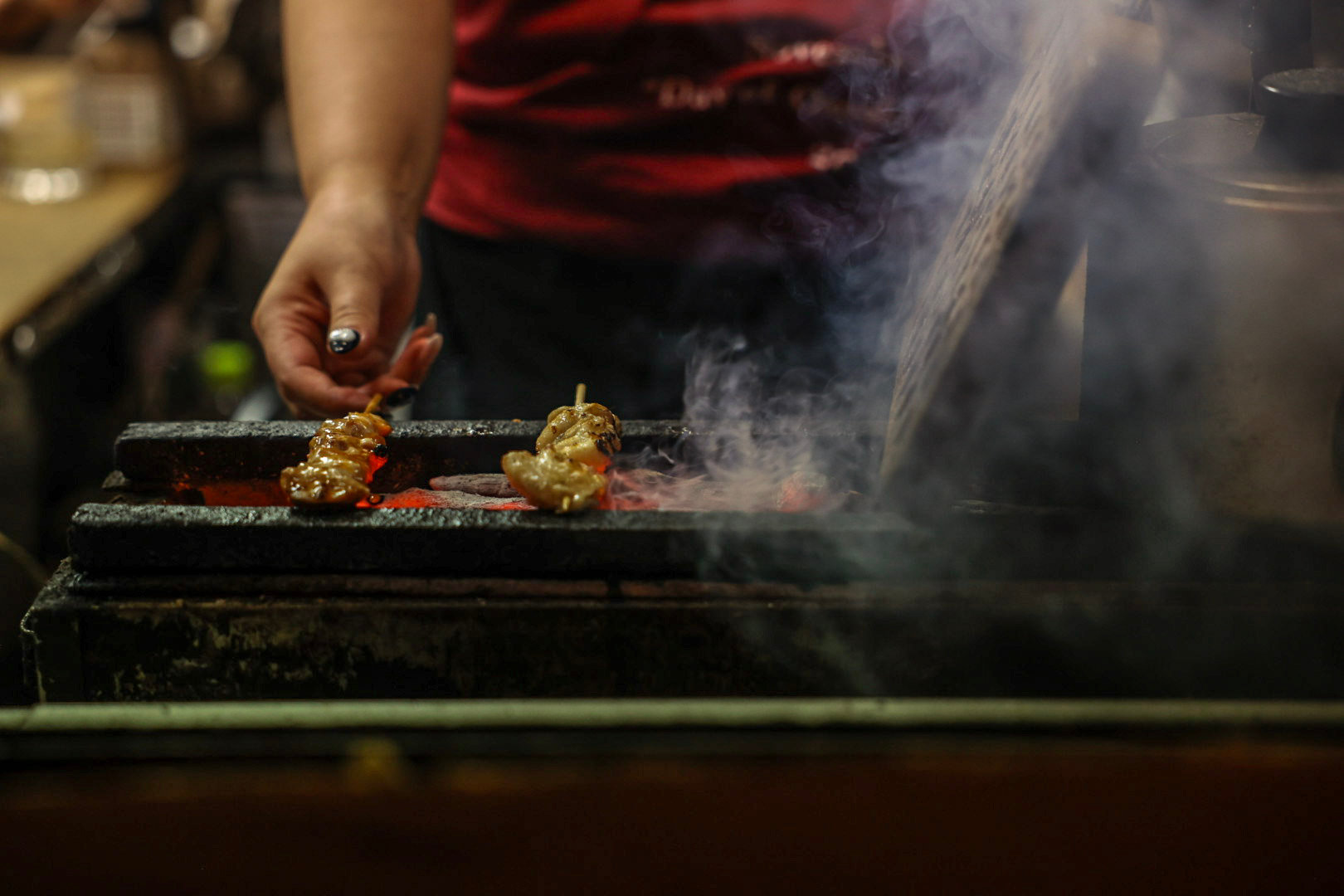
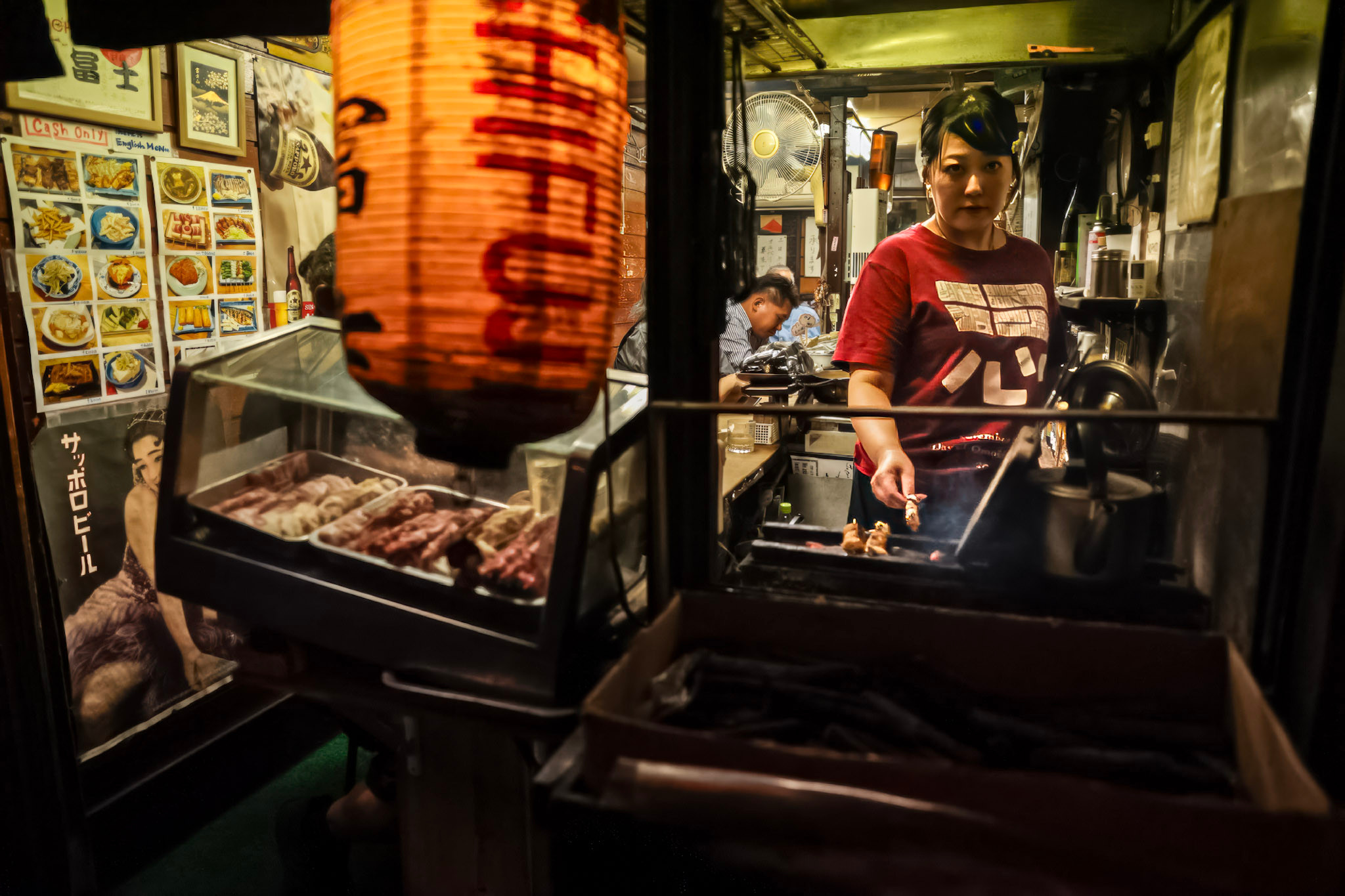
Come-se o que se comia então: yakitori (espetadas de frango), miudezas na brasa, cerveja. Ao fim do dia aquilo enche-se de gente que sai dos escritórios, ombro com ombro com turistas como eu. Cabemos todos porque ninguém ocupa mais do que um banco.
Lanternas de papel, folhas de ácer a fingir por cima das cabeças, e o fumo das espetadas a subir e a ficar ali preso. Do outro lado do balcão, a senhora que grelhava levantou os olhos para mim um segundo e voltou ao lume.
É uma Tóquio mais à minha medida, estreita, quente, do tamanho de um beco. E foi assim que me despedi: esmagado pelo tamanho daquilo tudo, e sem conseguir parar de olhar.
The last hours were in Shinjuku, in the alleys of Omoide Yokochō, which means something like memory lane. They sit right up against the busiest station in the world and are some sixty eateries where the counter barely fits. They began as a black market, just after the war, and stayed.
You eat what was eaten back then: yakitori (chicken skewers), offal on the grill, beer. At the end of the day the place fills up with people leaving their offices, shoulder to shoulder with tourists like me. We all fit because nobody takes up more than a stool.
Paper lanterns, fake maple leaves overhead, and the smoke of the skewers rising and getting stuck there. On the other side of the counter, the woman at the grill looked up at me for a second and went back to the fire.
It is a Tokyo more my size, narrow, warm, as big as an alley. And that is how I said goodbye: crushed by the size of it all, and unable to stop looking.
Fotografado em Tóquio, Japão, entre 29 de Setembro e 2 de Outubro de 2026.
Photographed in Tokyo, Japan, between 29 September and 2 October 2026.
 Próxima história / Next storyZafimaniry →